EV Charger and Components

Engineered for Enhanced Efficiency & Style

Fortis Drive provides a comprehensive range of EV charging solutions, including AC chargers, l DC chargers, and Split DC Chargers, all manufactured within our Chinese production network for reliable and efficient performance.

Custom Design

Tailored specifications

Global Support

24/7 Assistance

Quality Assured

 Certified Manufacturing

99.98%

Customer Satisfaction 

15%

Average Range Improvement

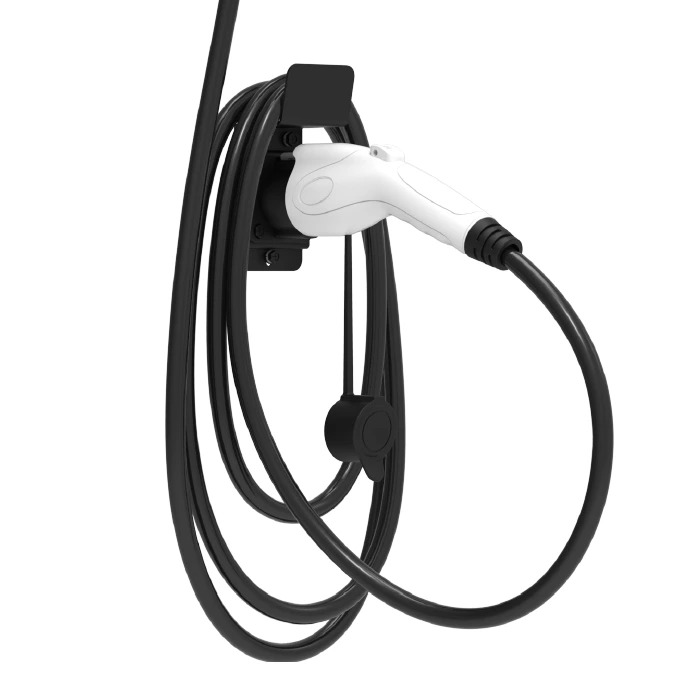
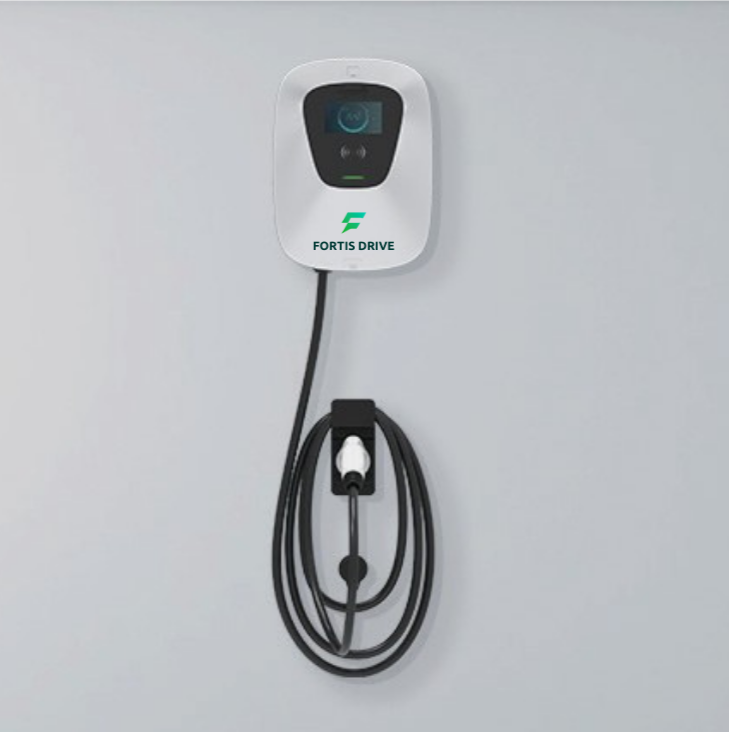
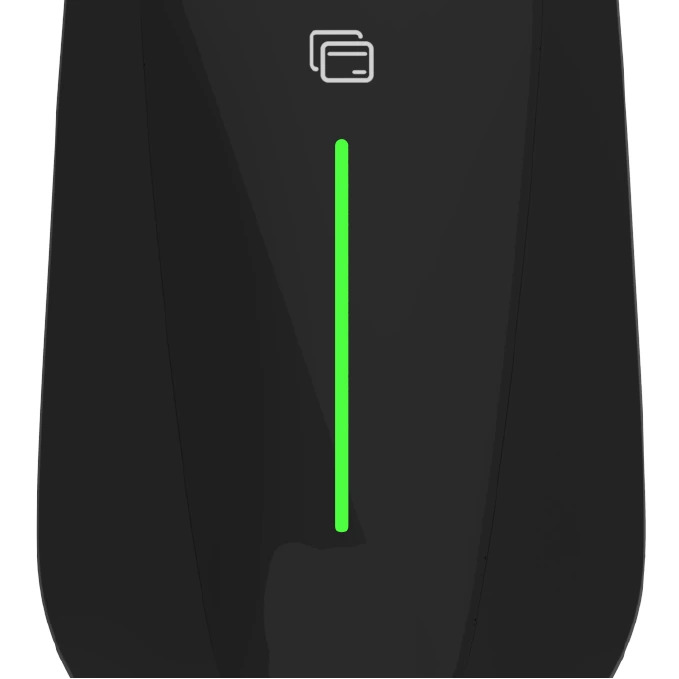
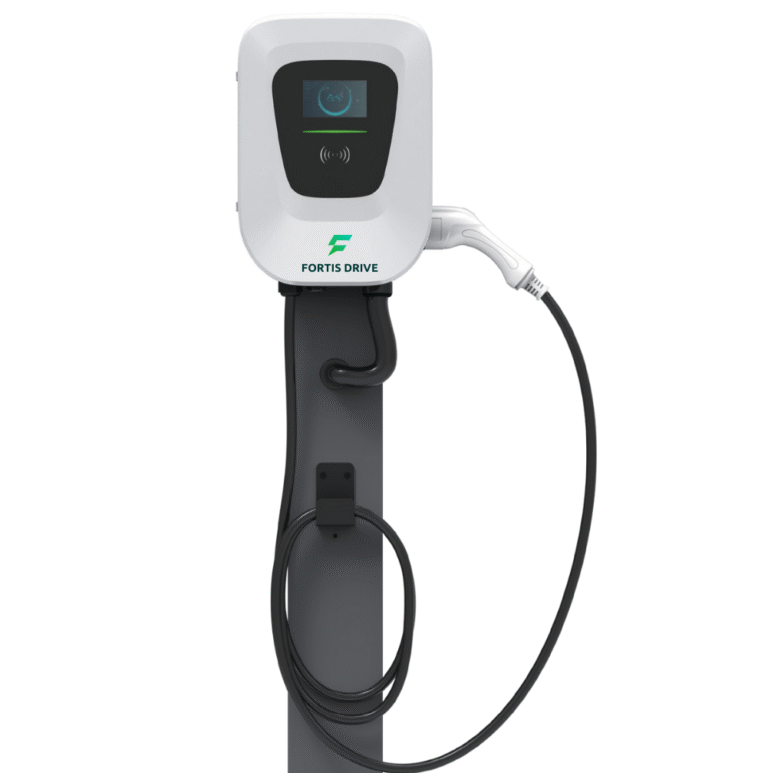
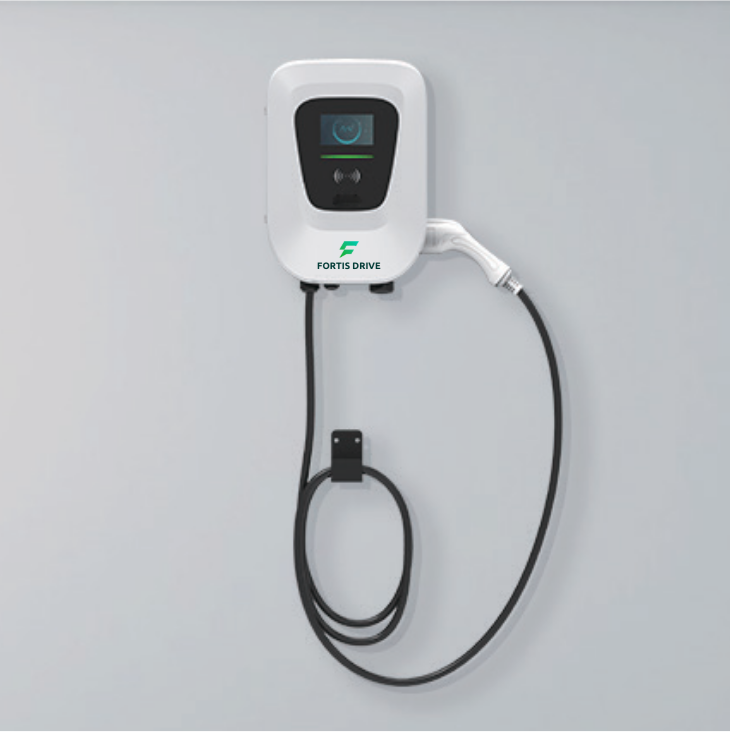
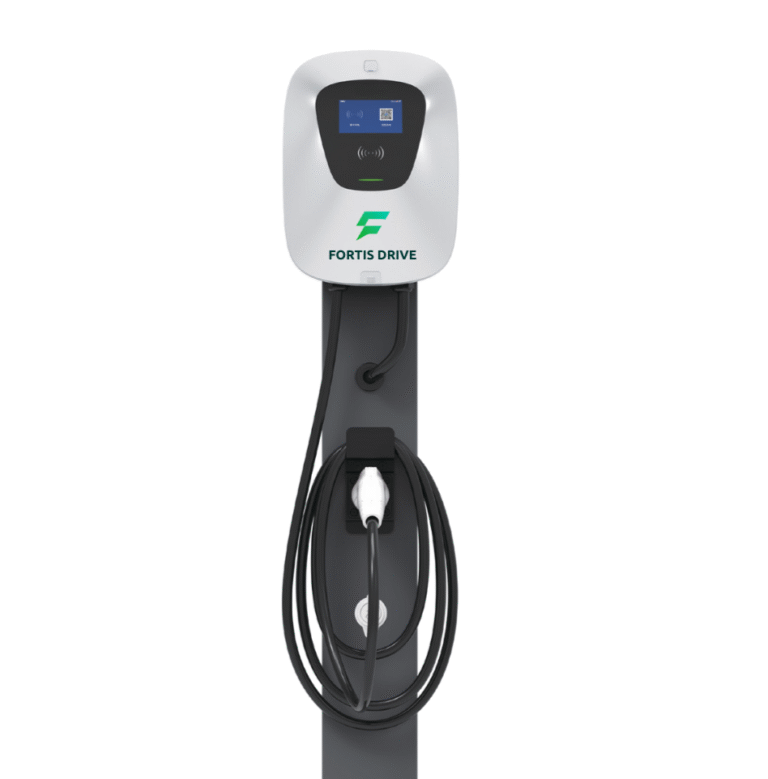
AC EV Charging Stations (FD2107E )

Smart charging meets modern design. This unit offers intelligent power delivery in a sleek package that fits any environment.

  • Flexible Power: 3kW, 7kW, 11kW, 22kW.
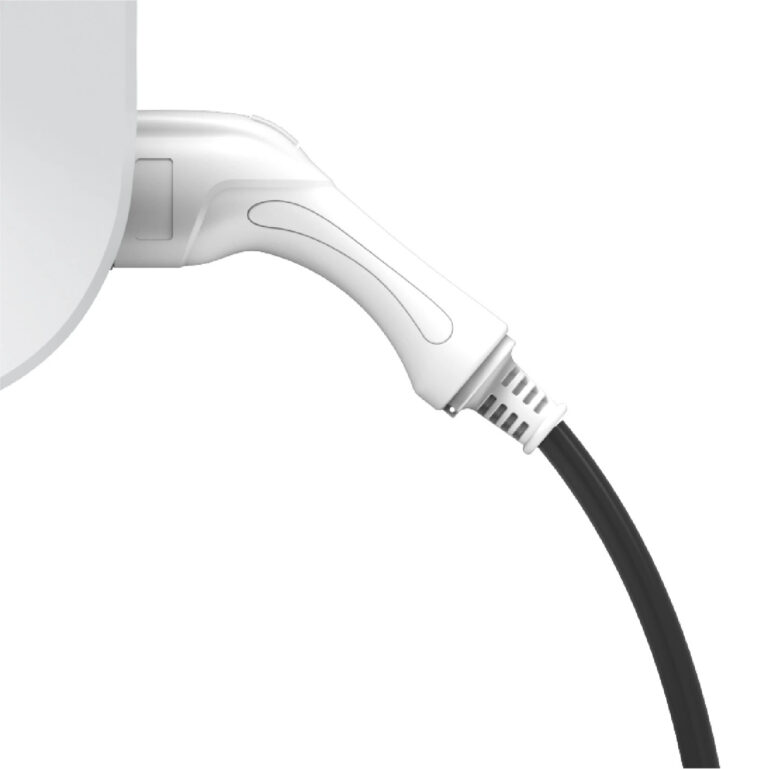
  • Universal Fit: Supports both Type 1 and Type 2.
  • Ideal For: Homes, retail, and workplaces.

FD2107E Certifications

Our products carry globally recognized certifications, confirming top standards for quality and safety

2026-03-31_10h23_53
1210-01-01-01

FD2107E Technical Specifications

ProductFD2107E (Home)
Power supply3 | 7 | 11 | 22 kW
ConnectorType 1 | Type 2
MountingWall-mount | Stand-mount
ApplicationIndoor & outdoor
Display / indicator4.3" color touch (optional)
IP / IKIP55 / IK08
Backend protocolOCPP 1.6J
CommunicationBluetooth / Wi-Fi (4G/Ethernet optional)
Current16A / 32A
Voltage230VAC±10% / 400VAC±10%
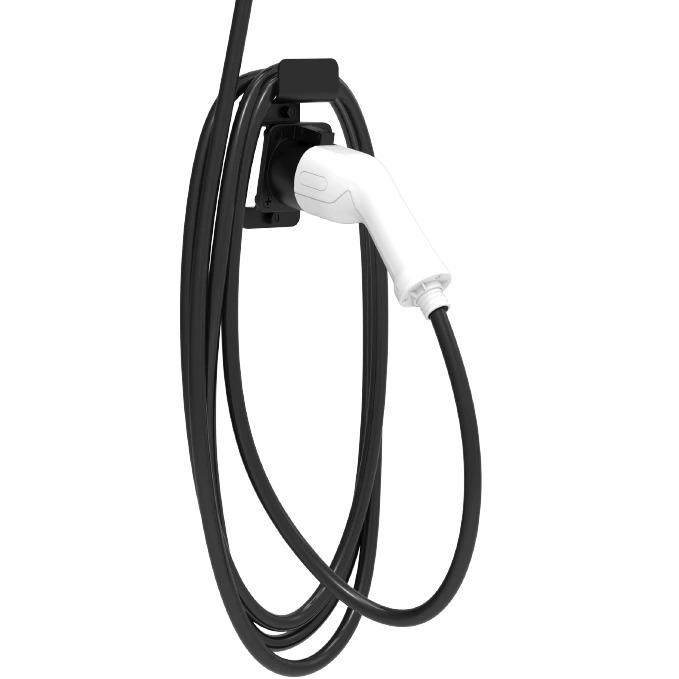
Cable5m (customizable)

Custom Specifications Available

All specifications can be customized to meet your exact requirements. Upload your technical drawings or specifications for a personalized quote within 24 hours.

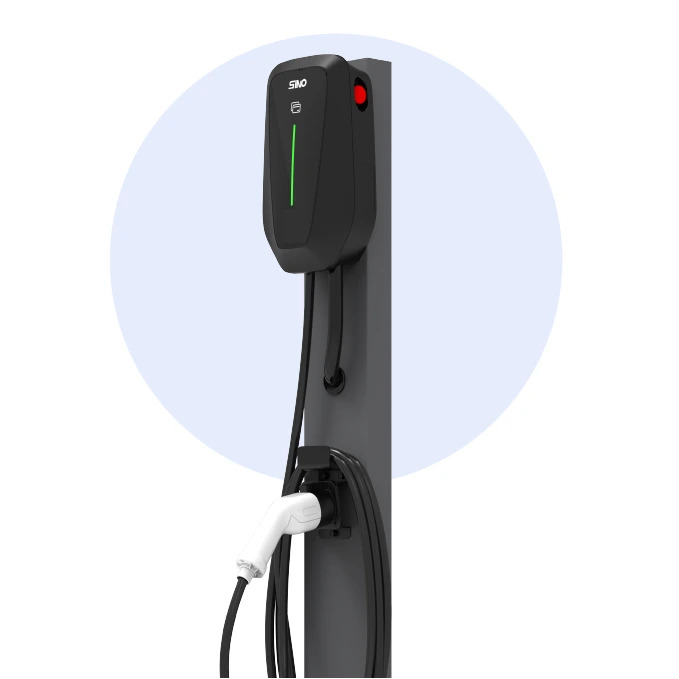
AC EV Charging Stations (FD2108E )

Compact power for any space. This slim charger delivers high-speed performance without taking up unnecessary room.

  • Rapid Charging: 3kW, 7kW, 11kW, 22kW.
  • All-Weather: IP65 rated for indoor and outdoor use.
  • Space-Saving: Minimal footprint for tight installations.

FD2108E Certifications

Our products carry globally recognized certifications, confirming top standards for quality and safety

FD2108E Technical Specifications

ProductFD2107E (Home)
Power supply3 | 7 | 11 | 22 kW
ConnectorType 1 | Type 2
MountingWall-mount | Stand-mount
ApplicationIndoor & outdoor
Display / indicatorGreen / Blue / Red
IP / IKIP65, IK08
Backend protocolOCPP 1.6J
CommunicationBluetooth
Current16A / 32A
Voltage230V AC+10% / 400V AC+10%
Cable5m (customizable)

Custom Specifications Available

All specifications can be customized to meet your exact requirements. Upload your technical drawings or specifications for a personalized quote within 24 hours.

AC EV Charging Stations (FD2201E )

The versatile standard for every environment. This unit offers high-precision charging and reliable performance for both residential and commercial setups.

  • Precise Power: 3kW, 7kW, 11kW, 22kW.
  • Accurate Billing: Integrated MID meter for precise energy measurements.
  • Ideal For: Workplaces, commercial parking, and private homes.

FD2201E Certifications

Our products carry globally recognized certifications, confirming top standards for quality and safety

FD2201E Technical Specifications

ProductFD2107E (Home)
Power supply3 | 7 | 11 | 22 kW
ConnectorType 1 | Type 2
MountingWall-mount | Stand-mount
ApplicationIndoor & outdoor
Display / indicatorGreen / Blue / Red
IP / IKIP65, IK08
Backend protocolOCPP 1.6J
CommunicationBluetooth
Current16A / 32A
Voltage230V AC+10% / 400V AC+10%
Cable5m (customizable)

Custom Specifications Available

All specifications can be customized to meet your exact requirements. Upload your technical drawings or specifications for a personalized quote within 24 hours.

Frequently Asked Questions

Common questions about sourcing EV spare wheels from Chinese manufacturers

Do aftermarket wheels reduce Tesla range?

Aftermarket wheels can either improve or reduce Tesla range depending on their design, weight, and aerodynamic properties. Real Tesla owners report mixed results, with some seeing improvements from lighter, more aerodynamic designs while others experience range loss from heavier or less efficient wheels. The key factors are aerodynamics (which accounts for most efficiency gains at highway speeds), weight (affecting acceleration and city driving), and tire choice. Tesla Motors Club members document that properly selected lightweight, aerodynamic aftermarket wheels can match or even exceed OEM efficiency, while poor choices can reduce range by 20-30%. Our aerodynamically optimized designs are specifically engineered to maintain or improve upon Tesla's factory efficiency standards.

Why do they keep putting big wheels on EVs?

EV manufacturers use larger wheels primarily for aesthetic appeal and market positioning, as larger wheels create a more premium appearance that justifies higher trim prices. Additionally, EVs are significantly heavier than ICE vehicles due to battery packs, requiring larger brake systems that need bigger wheels for clearance. Industry discussions reveal that modern EV design language favors large, flush wheel arches that would look disproportionate with smaller wheels. However, this trend sacrifices efficiency for style, which is why our custom solutions focus on optimizing aerodynamics within larger diameter designs, allowing fleets to maintain professional aesthetics while maximizing operational efficiency through advanced spoke patterns and lightweight construction.

Are lightweight wheels worth it for range improvement?

Lightweight wheels provide modest but measurable range improvements, with rotating mass having approximately 1.2-2x the impact of static weight depending on driving conditions. For highway driving, the benefit is minimal (about 0.15% range improvement per 20 lbs weight reduction), but for stop-and-go city driving, the impact increases significantly due to the energy required to accelerate and decelerate the rotating mass. EV owners report that the real value comes from combining lightweight construction with aerodynamic optimization and low rolling resistance tires. Our flow-formed and forged aluminum wheels achieve 20-35% weight reduction versus OEM while maintaining structural integrity, making them worthwhile for fleets prioritizing maximum operational efficiency and reduced tire wear.

Can steel wheels be used on EVs?

Steel wheels can absolutely be used on EVs, and claims about electrical grounding issues are technically unfounded since wheels are insulated from the vehicle's electrical system by rubber tires. However, steel wheels are significantly heavier than aluminum alternatives, which negatively impacts efficiency and handling. The primary concerns with steel wheels on EVs are weight-related: they increase unsprung mass, reduce acceleration efficiency, and may not provide adequate load ratings for heavier EV models. Additionally, steel wheels typically lack the aerodynamic optimization crucial for EV efficiency. While steel wheels work for winter applications or budget considerations, aluminum alloy wheels offer superior performance, efficiency, and load capacity for commercial EV operations, making them the preferred choice for fleet applications.

How much range improvement can I expect from aftermarket wheels?

Range improvements from aftermarket wheels typically range from 5-20% depending on the baseline comparison and driving conditions. Controlled testing shows that switching from 20" performance wheels to optimized 18" aerodynamic wheels can improve range by 15-17% at highway speeds. The improvement comes from three factors: reduced wheel diameter (smaller wheels generally improve efficiency), aerodynamic optimization (smooth or covered designs reduce drag), and weight reduction (lighter wheels require less energy to accelerate). Real-world Tesla owners report gaining 10-30 miles of additional range when switching to smaller, more efficient wheel designs. Our custom solutions are engineered to achieve maximum efficiency gains while maintaining the larger diameter aesthetics required for commercial vehicle applications.

What wheel size is best for EV efficiency?

Smaller wheel diameters consistently deliver better EV efficiency, with 18" wheels typically outperforming 20" wheels by 10-15% in range testing. Tesla's own EPA data confirms that each inch increase in wheel diameter reduces range, primarily due to increased rolling resistance, weight, and reduced aerodynamics. However, the optimal size depends on vehicle requirements: smaller wheels offer maximum efficiency and ride comfort through larger tire sidewalls, while larger wheels provide better handling and brake clearance for heavier EVs. EV owners consistently report that 17-18" wheels deliver the best efficiency-to-performance balance. Our engineering approach optimizes aerodynamic properties within larger diameter constraints, allowing commercial customers to maintain professional aesthetics while achieving efficiency closer to smaller wheel configurations.

Do wheel covers really improve range?

Wheel covers can improve EV range by 3-10% depending on the design and driving conditions, with full covers providing the maximum aerodynamic benefit. Independent testing by aerodynamic specialists shows that properly designed wheel covers can reduce total vehicle drag by up to 9.9%, translating to 6-8% range improvement at highway speeds. Tesla's aero covers provide approximately 3-4% efficiency gain by smoothing airflow around the wheel wells. The effectiveness depends on driving speed (greater benefit at highway speeds), cover design (full coverage beats partial), and baseline wheel aerodynamics. For commercial applications, removable aero covers offer flexibility to prioritize efficiency during highway operations while maintaining wheel accessibility for service. Our integrated aero solutions provide the efficiency benefits of covers while maintaining the durability and serviceability requirements of fleet operations.

Are aftermarket wheels worth it compared to OEM?

Aftermarket wheels can provide significant value over OEM options when properly selected, offering cost savings of 25-40% while potentially improving performance and efficiency. Industry analysis shows that OEM wheels often prioritize cost reduction and universal fitment over optimization, while quality aftermarket options can offer superior materials, lighter weight, and better aerodynamics. The key advantages include customization for specific use cases, better weight distribution, advanced manufacturing techniques like flow-forming, and the ability to optimize for efficiency rather than just meeting minimum specifications. Specialized EV wheel manufacturers offer wheels engineered specifically for electric vehicle requirements, including appropriate load ratings, aerodynamic optimization, and electromagnetic compatibility. For commercial operations, aftermarket wheels provide better long-term value through improved durability, customization options, and performance optimization tailored to specific operational requirements.

Partnership Success Stories

Trusted By Operators and Bussiness Worldwide 

Switching to custom sourced lightweight wheels from Fortis Drive was a strategic decision that paid off significantly. Their team made the sourcing process incredibly streamlined and collaborative, minimizing vehicle downtime and lowering total cost of ownership.

Isabella García
Fleet Procurement Manager

Working with Fortis Drive to source custom EV rims has been a fantastic experience. Their expertise and commitment to quality ensured every rim met our exact specifications. We're thrilled with the results and look forward to continuing our partnership.

Emily Patel
Procurement Specialist

Fortis Drive delivered exceptional value in sourcing commercial DC EV chargers for our network. Their team's expertise ensured high-quality products that met our requirements, with outstanding reliability and performance. We're pleased with the partnership.

David Lee
Energy Solutions Manager

Ready to Source EV Custom Rims?

Receive a Quality Quote within 24 Hours.
Upload Your Specification for Custom Requirements

Related Products

Engineered for unmatched reliability and safety in every EV solution.

Related Case Studies

Engineered for unmatched reliability and safety in every EV solution.