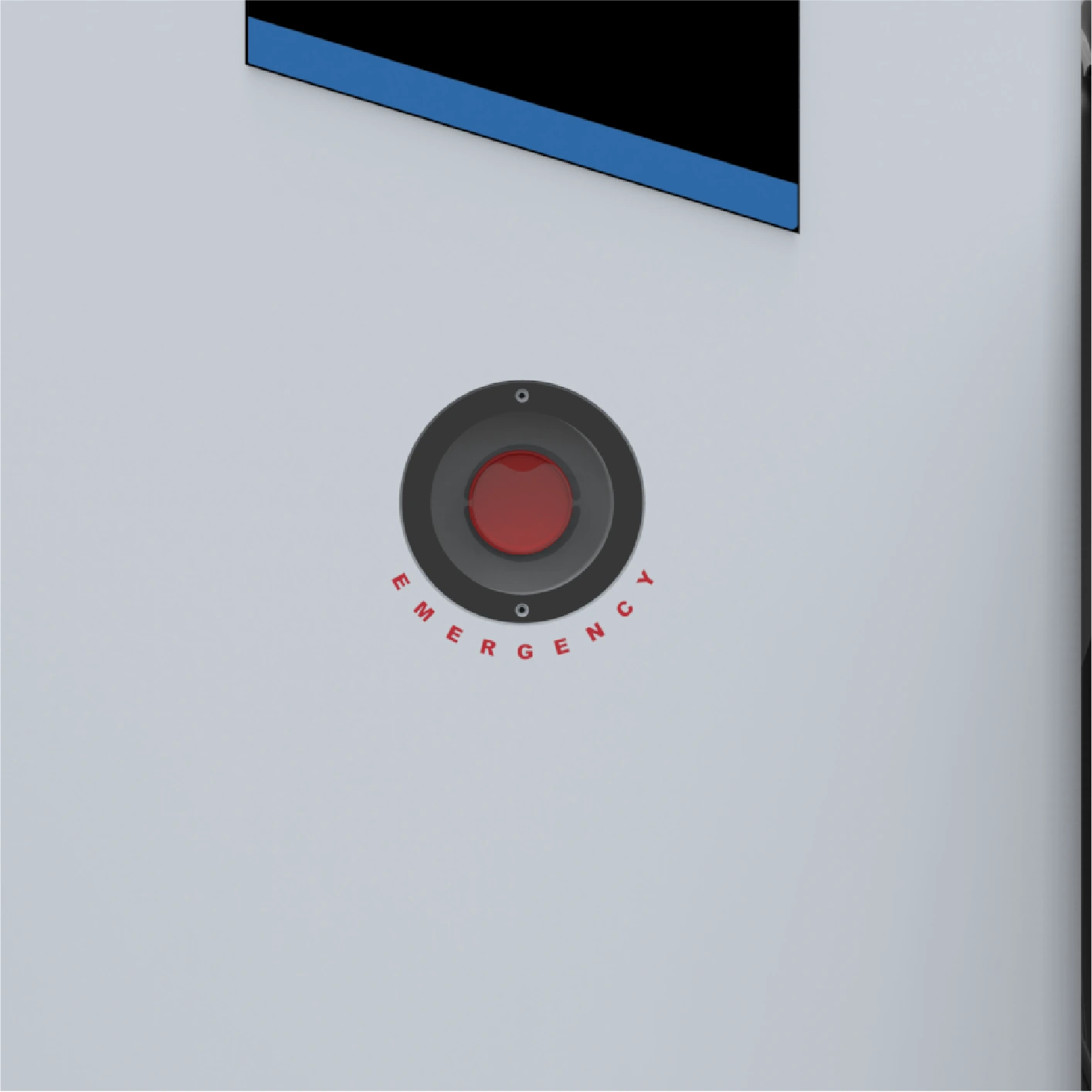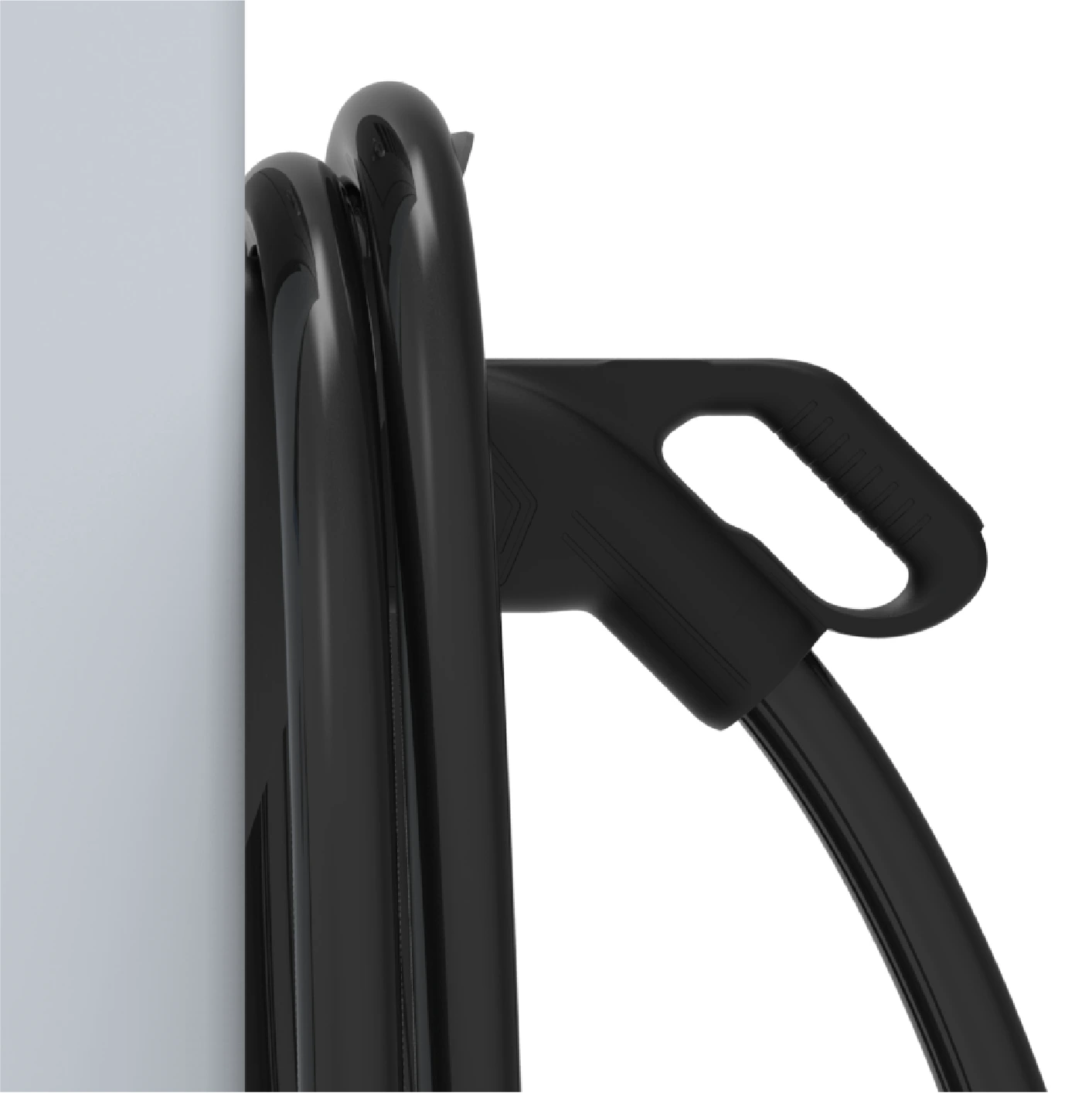
DC EV Charging Station (FD3106E)

Engineered for Enhanced Efficiency & Style

Professional-grade DC chargers designed for all major EV models. Your charging partner for flexible power delivery anywhere.
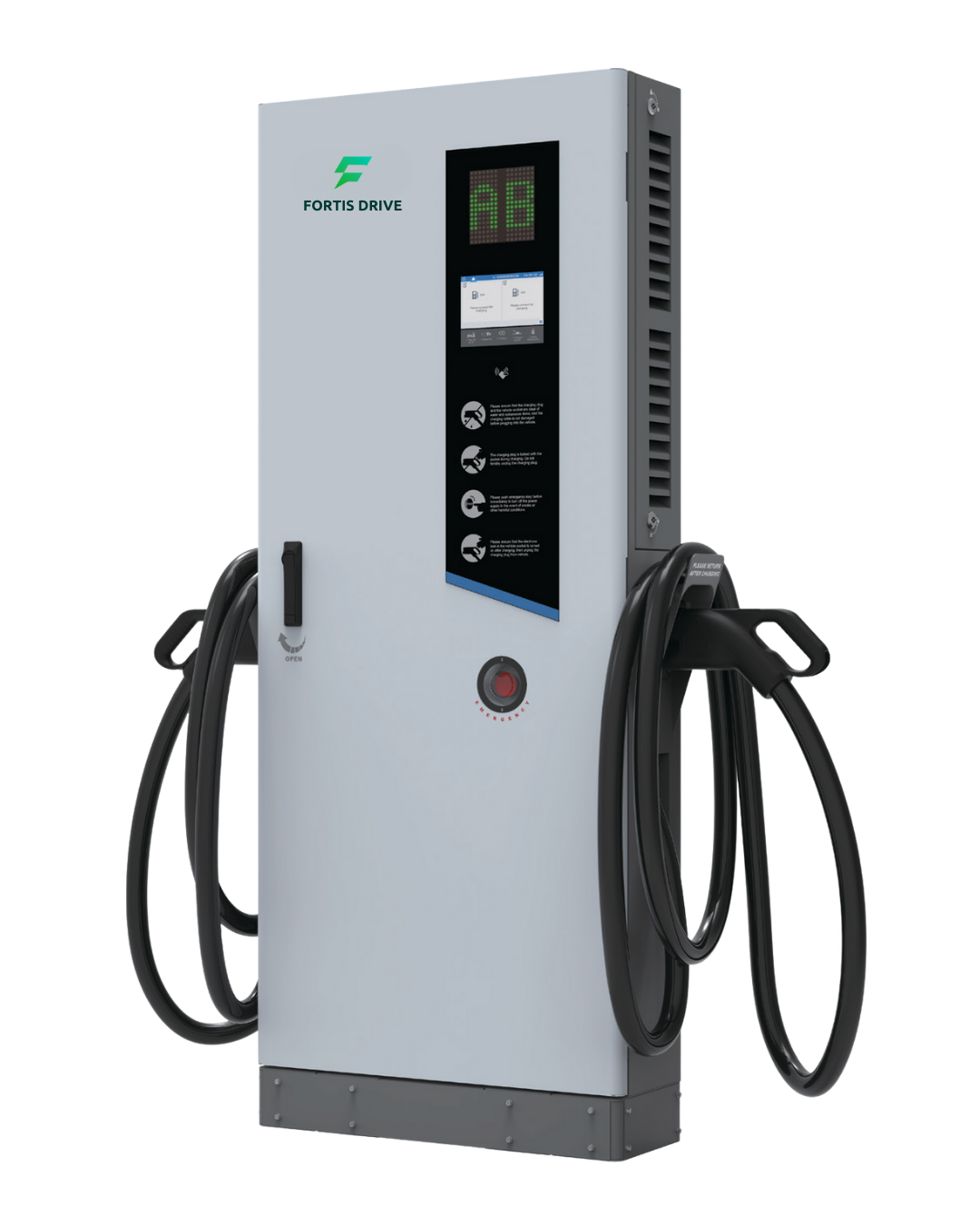
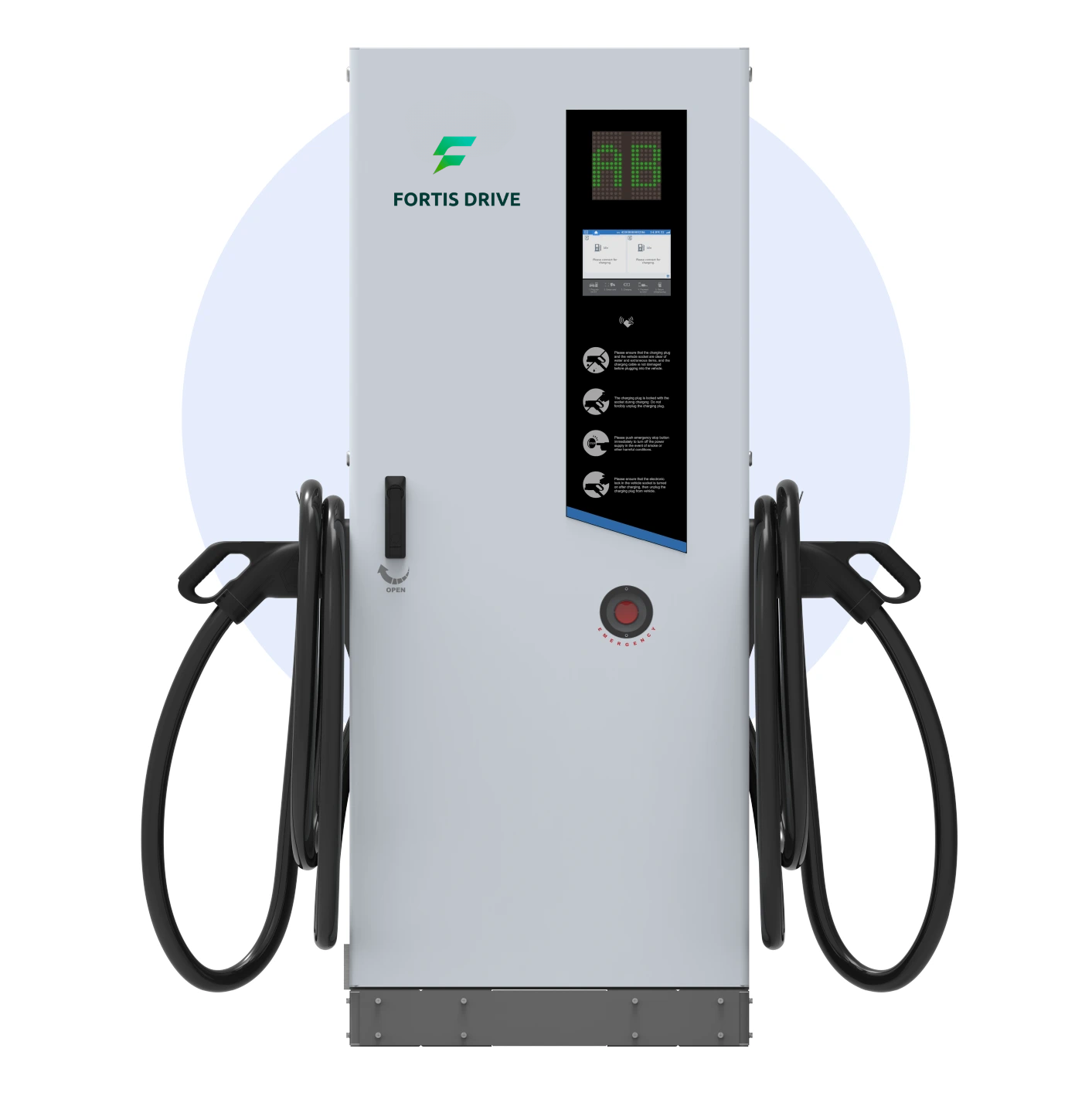
DC EV Charging Station (FD3106E)

The powerful but thinner business DC EV charger. This DC unit delivers reliable power in a streamlined package designed for commercial needs. 

  • Power Output: 60kW. 
  • Interface: User-friendly 7-inch color touchscreen.
  • Ideal For: Retail & hospitality, commercial parking, fleets, and fuel retail.

Certifications

Our products carry globally recognized certifications, confirming top standards for quality and safety

Trusted by Commercial Operations Worldwide

Trusted by leading companies across multiple industries for reliable DC EV charging solutions.

Technical Specifications

ProductFD3401EFD3106EFD3107EFD3108E
Power Supply30kW60kW60kW | 80kW | 120kW | 160kW | 240kW120kW | 180kW | 240kW
ConnectorCCS1 | CCS2 | CHAdeMOCCS1 | CCS2 | CHAdeMOCCS1 | CCS2 | CHAdeMOCCS1 | CCS2 | CHAdeMO
MountingWall-mount | Stand-mount1 or 21 or 21 or 2
ApplicationIndoor & outdoorFree standingFree standingFree standing
LCD Display4.3 inch color touch screen7'' color touch screen7'' color touch screen7'' color touch screen
IP, IK LevelIP54, IK10IP54, IK10IP54, IK10IP54, IK10
Backend ProtocolOCPP 1.6JOCPP 1.6JOCPP 1.6JOCPP 1.6J
CommunicationBluetooth / Wi-Fi / Ethernet (4G optional)Ethernet (4G optional)Ethernet (4G optional)Ethernet (4G optional)
Current100A / 125A CHAdeMO200A (250A optional)200A (250A optional)200A (250A optional)
Voltage150V DC -1000V DC150V DC -1000V DC150V DC -1000V DC150V DC -1000V DC
Cable5m (customizable)5m (customizable)5m (customizable)5m (customizable)

Custom Specifications Available

All specifications can be customized to meet your exact requirements. Upload your technical drawings or specifications for a personalized quote within 24 hours.

Our Seamless Sourcing Process

A comprehensive, end-to-end journey for your DC EV charger solutions.

Step 1
Step 2
Step 3
Step 4
Step 5
Step 6
Step 1

Detailed Requirements Analysis & Power Specification

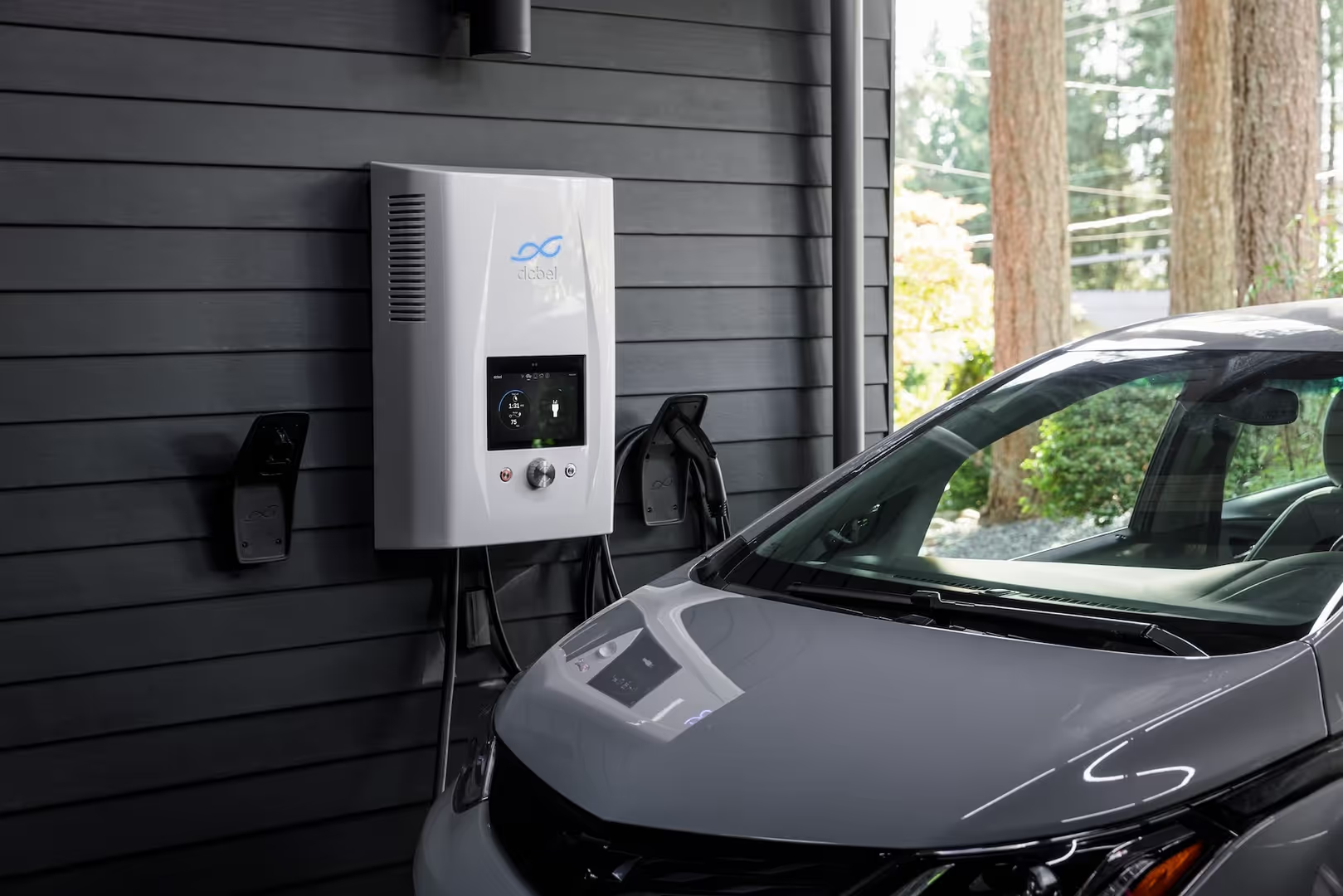
Fortis Drive begins by thoroughly understanding your unique charging infrastructure needs. Our engineering and power systems teams collaborate closely with you to capture precise specifications, including power requirements, installation environments, grid connection requirements, and operational usage patterns. This ensures a comprehensive design brief ready for manufacturing perfectly optimized DC charging stations.
  • Power Requirements Analysis
  • Site Assessment & Grid Connection
  • Custom Design Brief Development
  • Electrical Specification Planning
Step 2

Elite Manufacturing

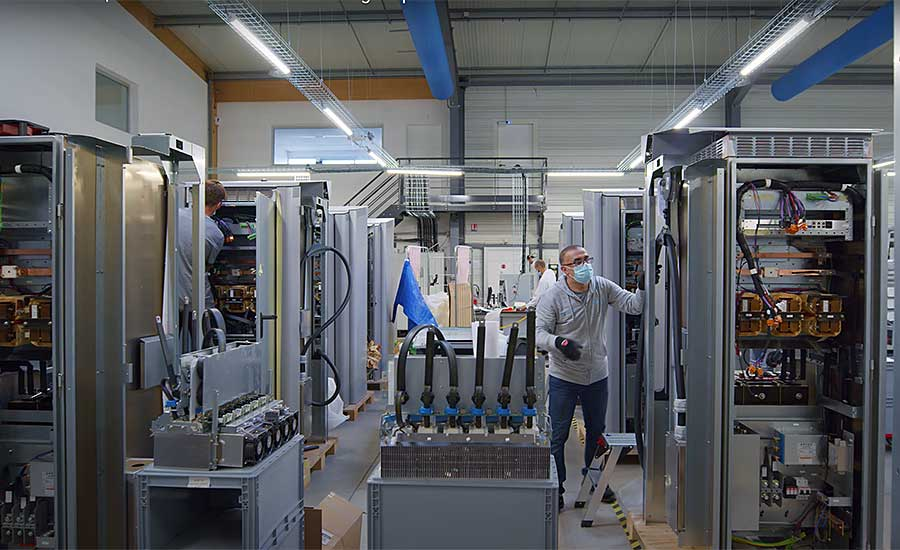
As manufacturers, we meticulously operate and manage our production facilities specialized in DC EV charger manufacturing. Our facilities are ISO 9001, DIN70121, and other relevant certifications, ensuring the highest standards for custom DC charging solutions, backed by proven expertise in high-power electronics and advanced safety systems.
  • Certified Manufacturing Facilities
  • DC Charging Production Expertise
  • Direct Factory Access
  • Production Capacity Verification
Step 3

Prototype Development & High-Power Testing

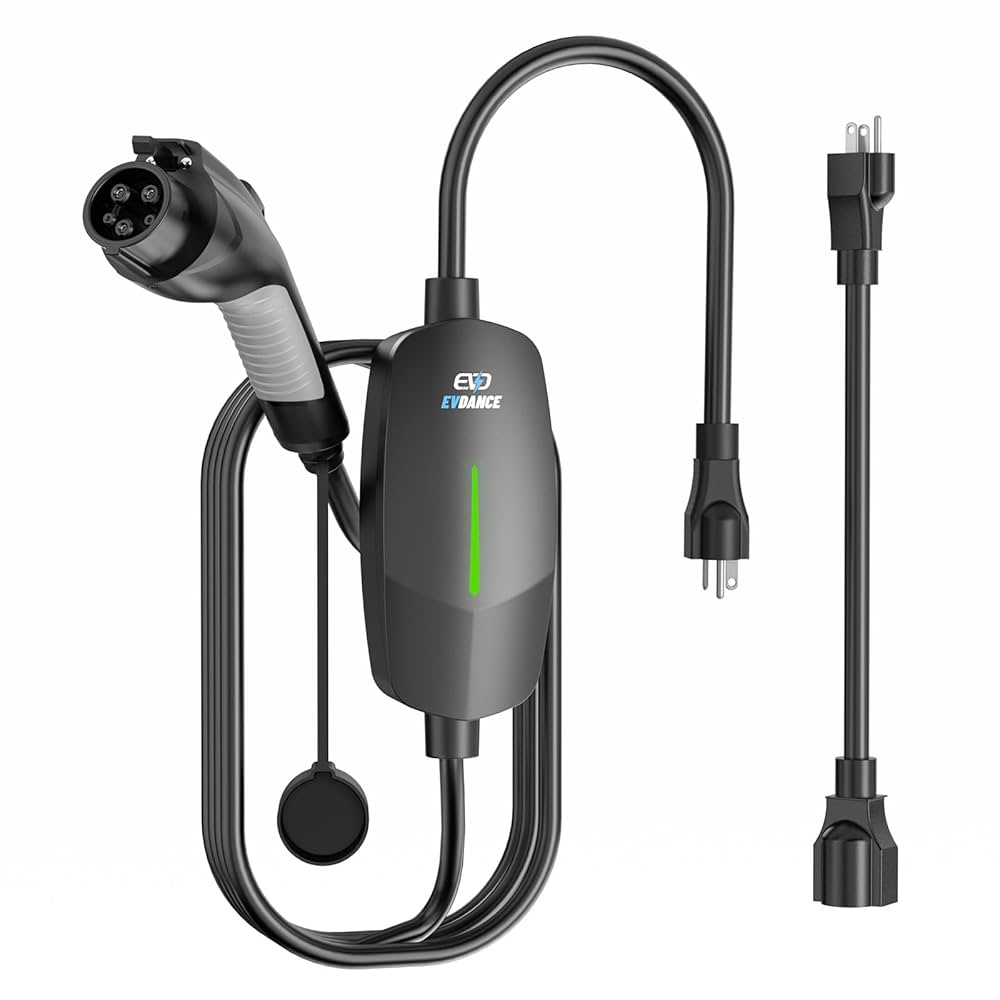
As manufacturers, we oversee the production of initial prototypes within our facilities. These prototypes undergo extensive testing including high-power electrical safety, charging efficiency validation, CCS/CHAdeMO compatibility, thermal management, IP55 environmental protection, and OCPP communication protocols to ensure top-tier performance.
  • Prototype Production
  • High-Power Safety Testing
  • Communication Protocol Testing
  • Client Approval
Step 4

Manufacturing Excellence & Production Management

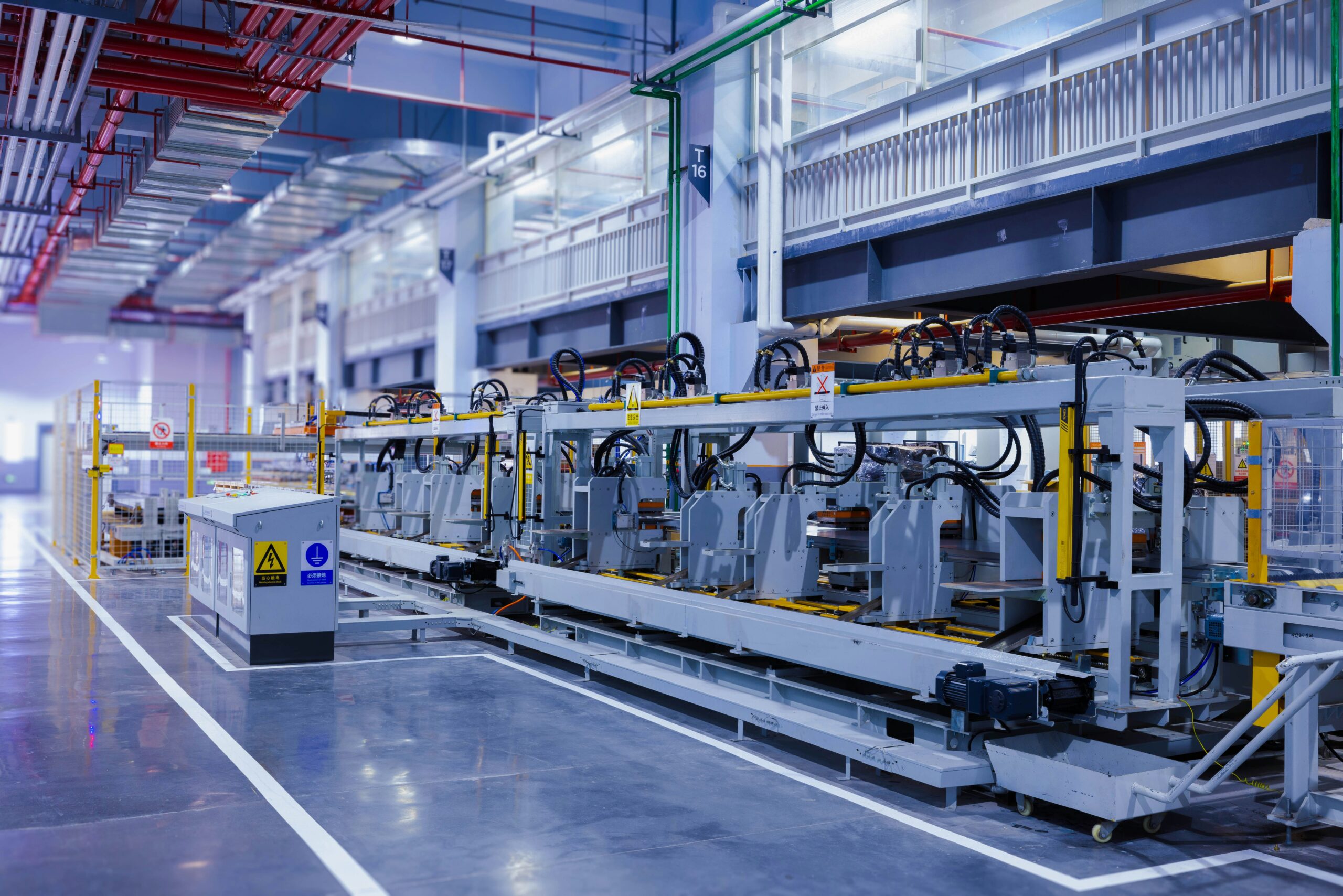
Upon prototype approval, we take charge of full-scale production within our manufacturing facilities. We ensure manufacturing schedules are met, high-power components are optimally sourced, and assembly lines adhere to strict efficiency and quality standards for consistent DC charging station performance.
  • Production Schedule Management
  • Component Sourcing & Quality
  • Manufacturing Oversight
  • System Integration Coordination
Step 5

The Fortis Standard Quality Assurance & Testing

This critical phase embodies our commitment to uncompromising quality. We implement The Fortis Standard, a rigorous multi-stage protocol including high-power component verification, electrical safety testing at full load, thermal validation, communication system testing, and final commissioning—ensuring an industry-leading 99.8% quality rate for DC chargers.
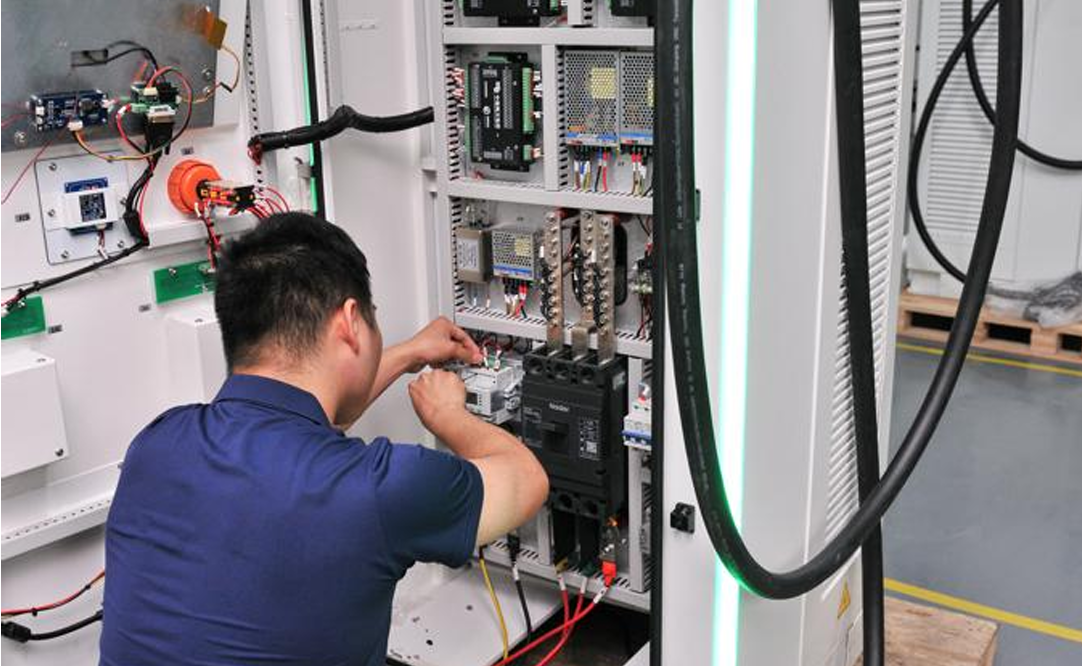
  • Component Verification
  • High-Power Safety Testing
  • Pre-Shipment Commissioning
  • Fortis Standard Compliance
Step 6

Global Logistics & Secure Delivery

We manage the entire supply chain from our manufacturing facilities directly to your destination. This includes secure packaging for charging stations, international freight coordination, customs clearance, and real-time tracking—ensuring a seamless and reliable delivery process.
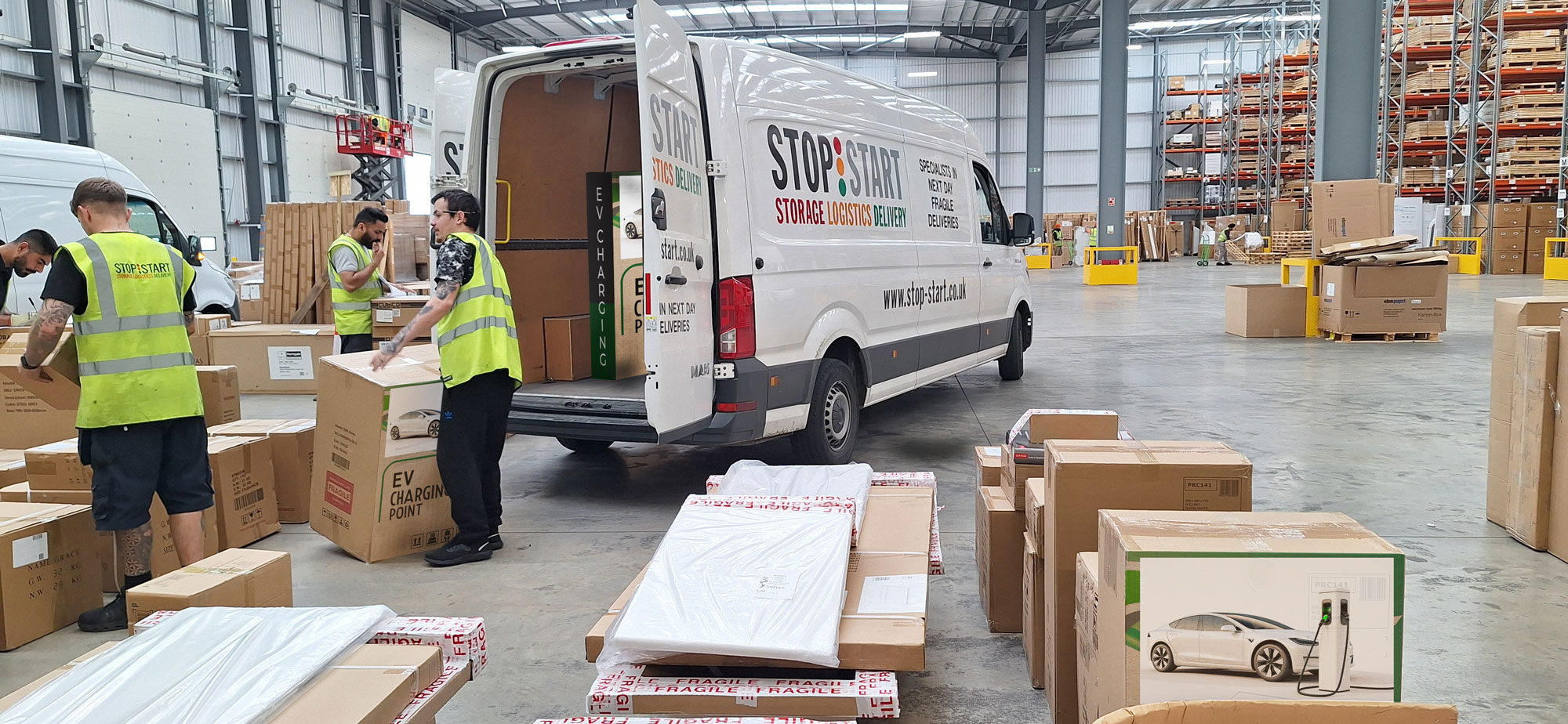
  • Secure Station Packaging
  • International Freight
  • Customs Clearance
  • Global Distribution

Why Choose Fortis Drive for DC EV Chargers?

Combining our manufacturing excellence with international quality standards for unmatched value.

Frequently Asked Questions

Common questions about sourcing EV spare wheels from Chinese manufacturers

Are DC fast charging stations actually profitable for my business?

The profitability landscape for DC fast charging is complex and varies significantly based on location and business model. According to extensive Reddit discussions from charging network operators, most standalone DC fast chargers operate at around 10% utilization rates, meaning they're actively charging vehicles only 2.4 hours per day. However, when positioned strategically at retail locations like shopping centers, restaurants, or service facilities, the revenue model shifts dramatically. The key insight from successful operators is that DC fast charging works best as a customer attraction tool rather than a primary profit center. Retail businesses report that the 20-30 minute charging sessions generate substantial foot traffic and secondary sales that often exceed the modest electricity markup profits. Furthermore, with the rapid growth in EV adoption and increasing demand charges from utilities, many successful installations now incorporate battery storage systems to manage peak demand costs and improve the overall business case.

How long does it actually take to install a commercial DC fast charger from start to finish?

Real-world installation timelines from Reddit experiences reveal significant variation, but most commercial DC fast charger projects take 6-18 months from initial planning to operational status. The permitting phase alone can consume 3-8 months, with some jurisdictions like Los Angeles seeing permit approval times of 12+ months for complex installations. What's particularly challenging is that electrical utility coordination often becomes the longest bottleneck, transformer lead times currently extend 12-18 months due to supply chain constraints, and utility interconnection studies can take 4-6 months just for approval. One Reddit user documented spending over 6 months solely on permit approval despite having a relatively straightforward installation. The most efficient projects involve sites with existing three-phase commercial power where only minor electrical upgrades are needed, potentially reducing timelines to 3-4 months. However, businesses should plan for 12-15 months for greenfield installations requiring substantial electrical infrastructure development.

Why are DC fast charger installation costs so high compared to Level 2 chargers?

 The dramatic cost difference stems from fundamental electrical infrastructure requirements that many business owners underestimate initially. While Level 2 chargers operate on standard 240V circuits costing $3,000-$15,000 to install, DC fast chargers require industrial-grade electrical systems with costs ranging from $28,000-$350,000+ per port according to industry data frequently cited on Reddit. The primary cost drivers include high-voltage electrical service upgrades, dedicated transformers (often requiring $100,000+ utility transformer installations), extensive trenching for high-capacity electrical conduits, and specialized safety systems required for 480V+ operation. Additionally, DC fast chargers need sophisticated cooling systems, communication networks, and payment processing infrastructure that Level 2 installations don't require. One Reddit discussion highlighted that the electrical infrastructure alone can cost more than the actual charging equipment, particularly when sites need utility service upgrades from single-phase residential to three-phase commercial power capable of supporting 150kW+ charging loads.

Do I need special electrical infrastructure and transformer upgrades for DC fast charging?

Most commercial DC fast charger installations require significant electrical infrastructure upgrades unless your facility already has substantial three-phase commercial power capacity. Reddit discussions from electrical utility workers reveal that DC fast chargers typically need 480V three-phase service at sub-transmission voltages (30kV-60kV), which necessitates dedicated transformers and extensive electrical modifications. For a typical 150kW DC fast charger, you'll need approximately 200A of 480V service, and most commercial buildings lack this capacity. The transformer situation is particularly challenging—current lead times extend 12-18 months, and costs range from $50,000-$200,000+ depending on capacity requirements. Some successful installations at shopping malls and large commercial facilities benefit from existing high-capacity electrical infrastructure, requiring only transformer upgrades rather than complete electrical service overhauls. However, smaller businesses or locations with standard commercial service almost invariably need comprehensive electrical infrastructure development, including new electrical panels, conduit systems, and utility coordination that can represent 60-70% of total project costs.

What ongoing costs should I expect beyond the initial installation for commercial DC charging?

Ongoing operational costs for commercial DC fast charging extend far beyond electricity consumption and often surprise new operators with their complexity. Demand charges represent the largest unexpected expense, utilities typically charge $10-50 per kW of peak monthly demand, meaning a single 150kW charging session can trigger $1,500-$7,500 in monthly demand charges regardless of actual energy consumption. Reddit discussions from charging station operators frequently mention that demand charges can exceed electricity costs by 300-500%, making battery storage systems increasingly essential for economic operation. Additional ongoing costs include network service fees ($50-200 monthly per charger), payment processing fees (3-5% of revenue), routine maintenance ($2,000-5,000 annually per unit), insurance increases, and software licensing fees for charging management systems. Furthermore, many operators report unexpected costs for vandalism repairs, cable theft protection, and seasonal maintenance in harsh weather conditions. Successful commercial operators emphasize the importance of partnering with charging networks that provide comprehensive service packages, as self-operated stations often face significantly higher ongoing support costs and technical challenges that can impact profitability substantially.

Partnership Success Stories

Trusted By Operators and Bussiness Worldwide 

Switching to custom sourced lightweight wheels from Fortis Drive was a strategic decision that paid off significantly. Their team made the sourcing process incredibly streamlined and collaborative, minimizing vehicle downtime and lowering total cost of ownership.

Isabella García
Fleet Procurement Manager

Working with Fortis Drive to source custom EV rims has been a fantastic experience. Their expertise and commitment to quality ensured every rim met our exact specifications. We're thrilled with the results and look forward to continuing our partnership.

Emily Patel
Procurement Specialist

Fortis Drive delivered exceptional value in sourcing commercial DC EV chargers for our network. Their team's expertise ensured high-quality products that met our requirements, with outstanding reliability and performance. We're pleased with the partnership.

David Lee
Energy Solutions Manager

Ready to Buy DC EV Chargers?

Receive a Quality Quote within 24 Hours.
Upload Your Specification for Custom Requirements