
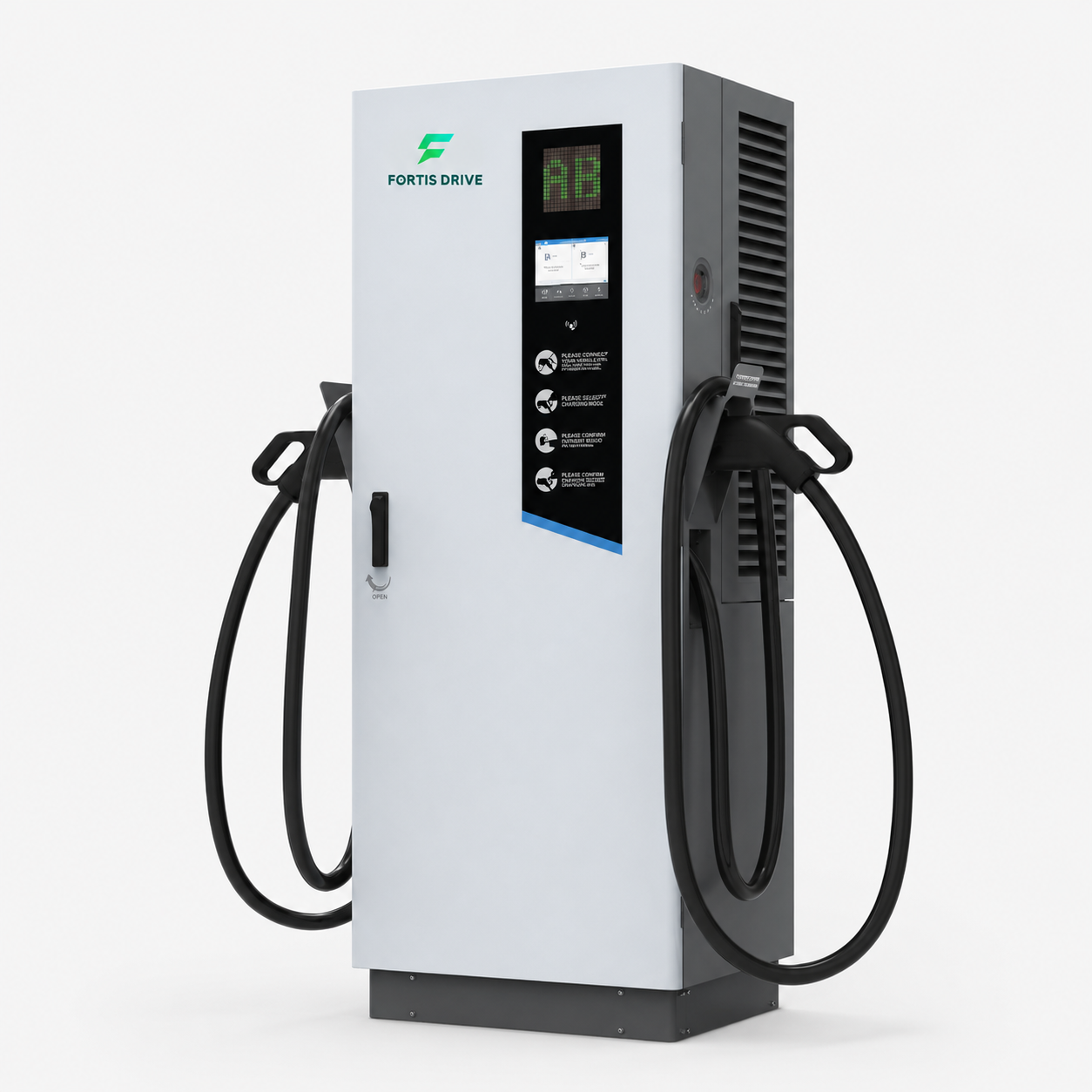





Fortis Core DC EV Charger

Engineered for Enhanced Efficiency & Style
EV Spare Wheel Image 1
EV Spare Wheel Image 2
Expanded gallery image

Fortis Core

Four Power Levels, One Charging Platform

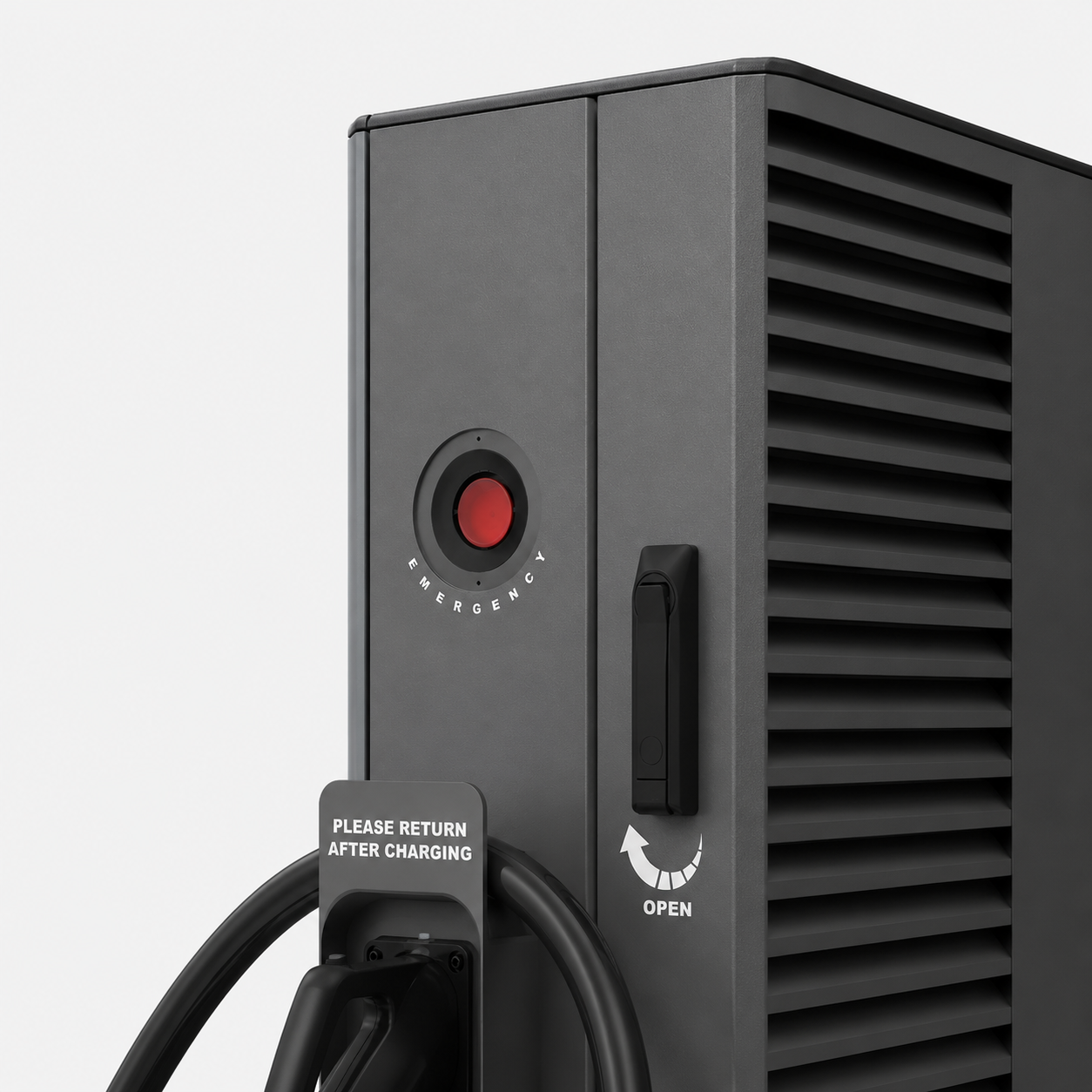
The Fortis Core DC EV charger is a configurable freestanding platform for commercial locations that need more choice than a single fixed-power unit. Select 60, 80, 120 or 160 kW, then define the charging outputs, connector standard, user access, communications, branding, documentation and packaging around your project.

  • DC Power Options: 60, 80, 120 or 160 kW
  • Charging Outputs: One or two, depending on configuration
  • Connector Options: CCS1, CCS2 or CHAdeMO
  • User Access: Optional RFID and app-based identification

Certification and Compliance Support

Fortis Drive helps buyers identify the testing, documentation and certification requirements relevant to the
selected configuration and destination country.

Built for Commercial EV Charging Programs

Fortis Core is manufactured for businesses that need a compact commercial DC EV charger with a clear technical specification, controlled production and support for repeat orders.

Space Saving Design

Compact construction that fits neatly into limited EV trunk space.

Configurable 60 to 160 kW Platform

Choose 60, 80, 120 or 160 kW within one product family. This gives operators and distributors a clearer way to match charger capacity to site power, vehicle demand and deployment type.

One or Two Charging Outputs
Specify one or two outputs according to the site layout and planned vehicle flow. Connector arrangement and power behavior are defined during engineering review so the manufactured unit matches the approved operating brief.

Vehicle Specific Fitament

Engineered around the dimensions and compatibility requirements of selected EV models.

Optional RFID and App-Based Access
User identification can be configured with optional RFID or app-based access. The required authentication method, backend relationship and user journey should be confirmed before production.

Technical Specifications Comparison Table

SpecificationFortis FlexFortis SlimFortis CoreFortis Ultra
Power Supply30kW60kW60kW | 80kW | 120kW | 160kW | 240kW120kW | 180kW | 240kW
ConnectorCCS1 | CCS2 | CHAdeMOCCS1 | CCS2 | CHAdeMOCCS1 | CCS2 | CHAdeMOCCS1 | CCS2 | CHAdeMO
MountingWall-mount | Stand-mount1 or 21 or 21 or 2
ApplicationIndoor & outdoorFree standingFree standingFree standing
LCD Display4.3 inch color touch screen7'' color touch screen7'' color touch screen7'' color touch screen
IP, IK LevelIP54, IK10IP54, IK10IP54, IK10IP54, IK10
Backend ProtocolOCPP 1.6JOCPP 1.6JOCPP 1.6JOCPP 1.6J
CommunicationBluetooth / Wi-Fi / Ethernet (4G optional)Ethernet (4G optional)Ethernet (4G optional)Ethernet (4G optional)
Current100A / 125A CHAdeMO200A (250A optional)200A (250A optional)200A (250A optional)
Voltage150V DC -1000V DC150V DC -1000V DC150V DC -1000V DC150V DC -1000V DC
Cable5m (customizable)5m (customizable)5m (customizable)5m (customizable)

Custom Specifications Available

Each custom EV charger can be configured with private-label branding, enclosure finishes, connector options, cable requirements, interface details, labels, manuals and packaging. All changes are reviewed for technical feasibility, testing and destination-market requirements.

DC EV Charger Development and Manufacturing Process

A six-stage process keeps the approved configuration visible from the initial electrical brief through manufacturing, inspection, packaging and export.

Step 1
Step 2
Step 3
Step 4
Step 5
Step 6
Step 1

Requirements and Site-Electrical Brief

Fortis Drive translates the buyer’s commercial and technical inputs into a defined charger requirement. The review covers destination country, intended application, available electrical supply, target vehicles, connector standard, mounting location, connectivity, branding, quantity and documentation.
  • Market and use-case review
  • Electrical input mapping
  • Connector and vehicle requirements
  • Documentation planning
Step 2

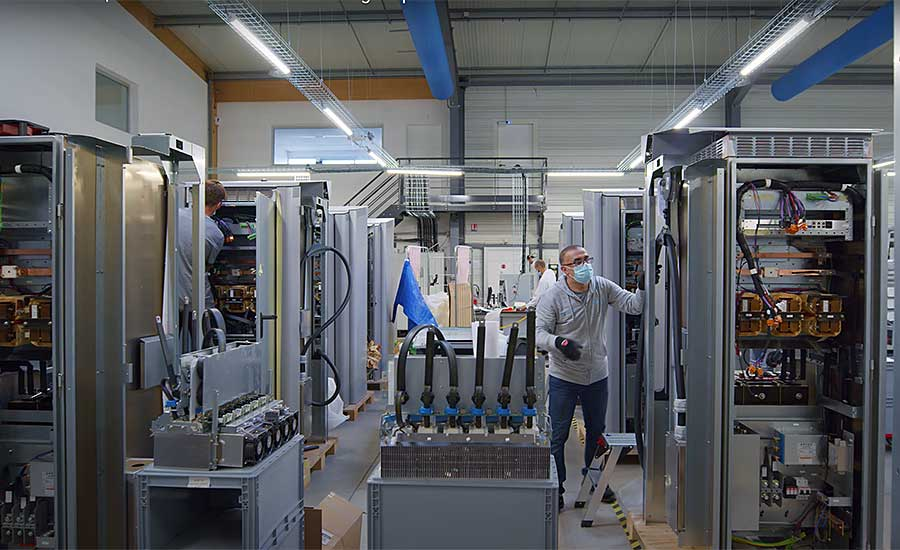
Engineering and Configuration Review

Our manufacturing and engineering teams assess the requested configuration before a sample is prepared. Components, enclosure layout, communications, cable format, customization scope and any tooling implications are reviewed against the approved brief.
  • Engineering-feasibility review
  • Component and enclosure review
  • Communication configuration
  • Tooling assessment
Step 3

Sample Development and Validation

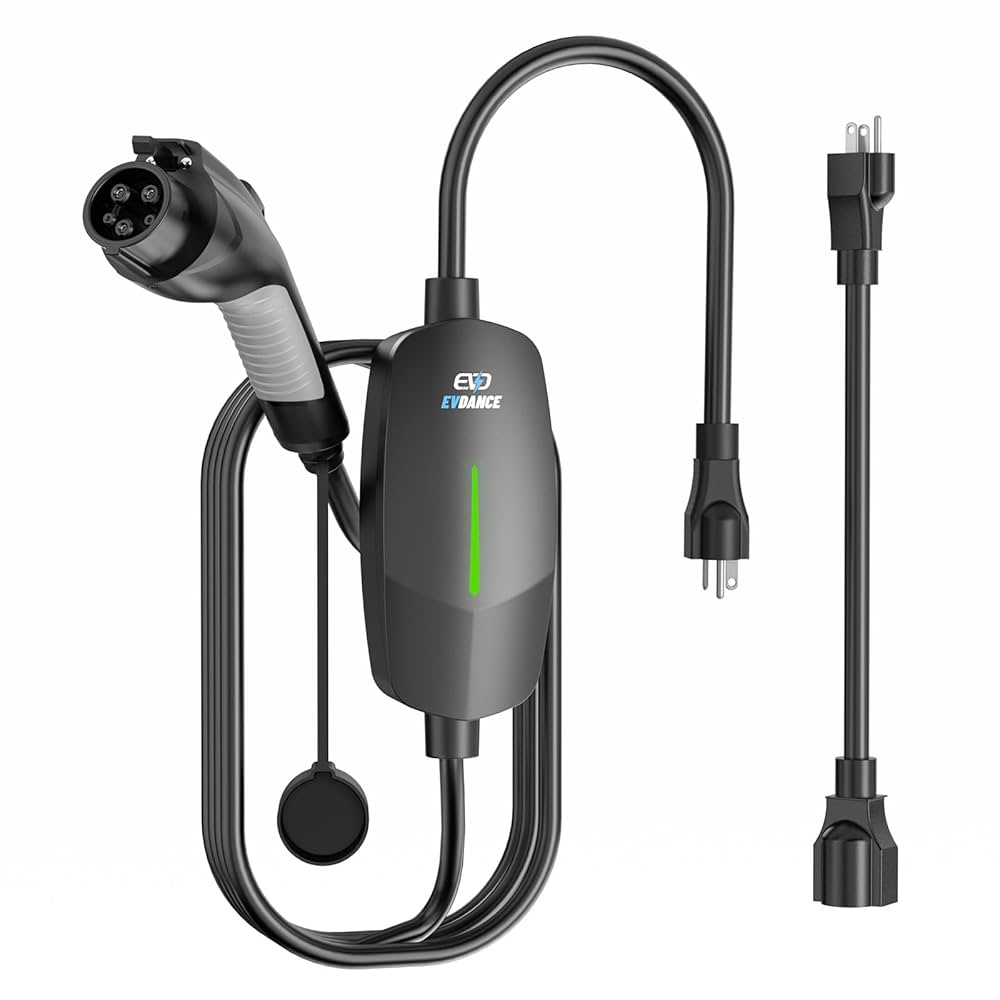
Where required, Fortis Drive manufactures a sample or pre-production unit for review. Validation can cover physical configuration, electrical functions, connector communication, touchscreen operation, networking, labeling, enclosure details and packaging, according to the agreed project scope.
  • Sample preparation
  • Functional test coordination
  • Specification verification
  • Buyer approval
Step 4

Production Planning

After sample approval, the bill of materials, manufacturing documents, inspection criteria, assembly plan and production schedule are finalized. The approved sample becomes the reference point for the commercial order.

  • Approved-sample control
  • Production documentation
  • Material planning
  • Assembly scheduling
Step 5

Manufacturing and Quality Control

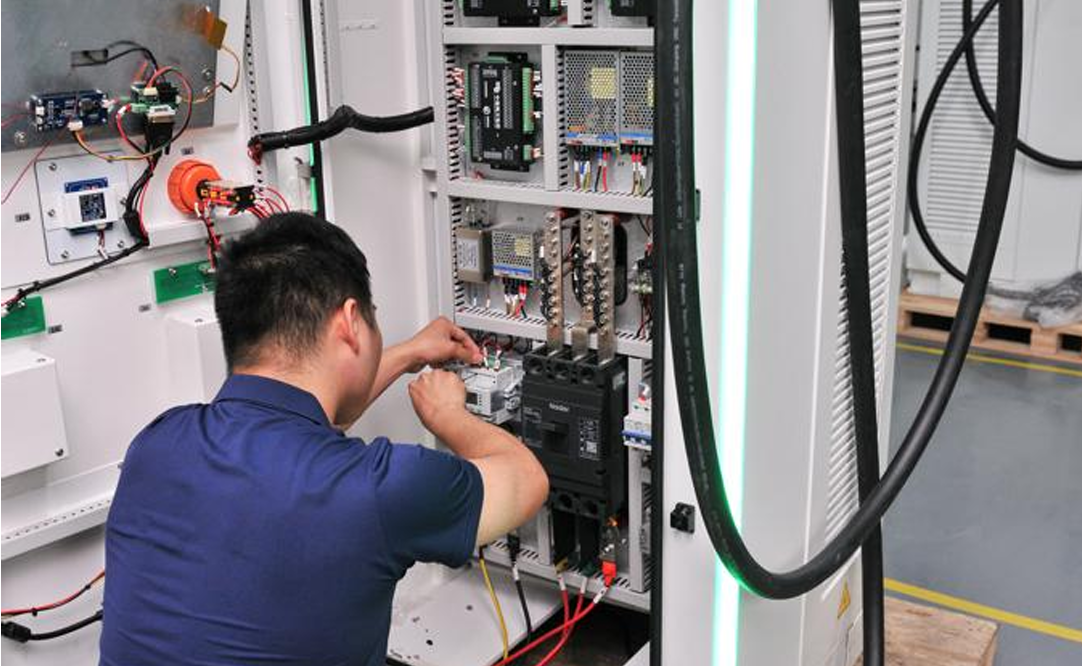
Fortis Drive manufactures the order against the approved specification and inspection plan. Checks may cover incoming components, electrical assembly, charging functions, communications, touchscreen response, enclosure finish, labels, cable assembly and pre-shipment condition.
  • Incoming-component checks
  • In-process inspection
  • Functional and communication tests
  • Pre-shipment inspection
Step 6

Packaging and Export

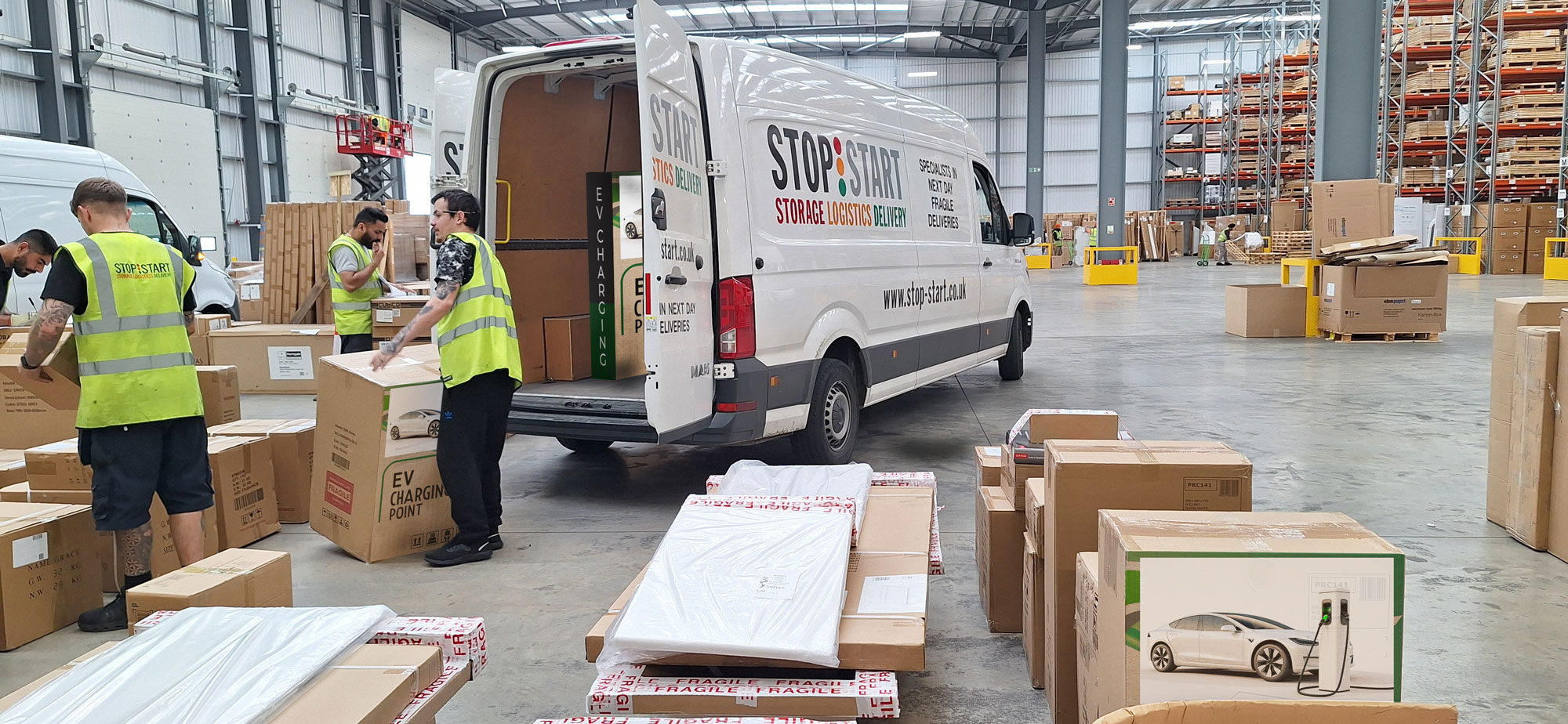
Completed chargers are packed to the approved specification for international transport. Fortis Drive coordinates protective packaging, product and carton labels, order consolidation, export documentation and freight planning for the destination.
  • Protective packaging
  • Product and carton labeling
  • Export-document support
  • Freight coordination

Why Choose Fortis Core for DC EV Chargers?

As a China-based DC fast charger manufacturer, Fortis Drive connects engineering decisions, component integration, assembly, quality control, packaging and export within one manufacturing program.

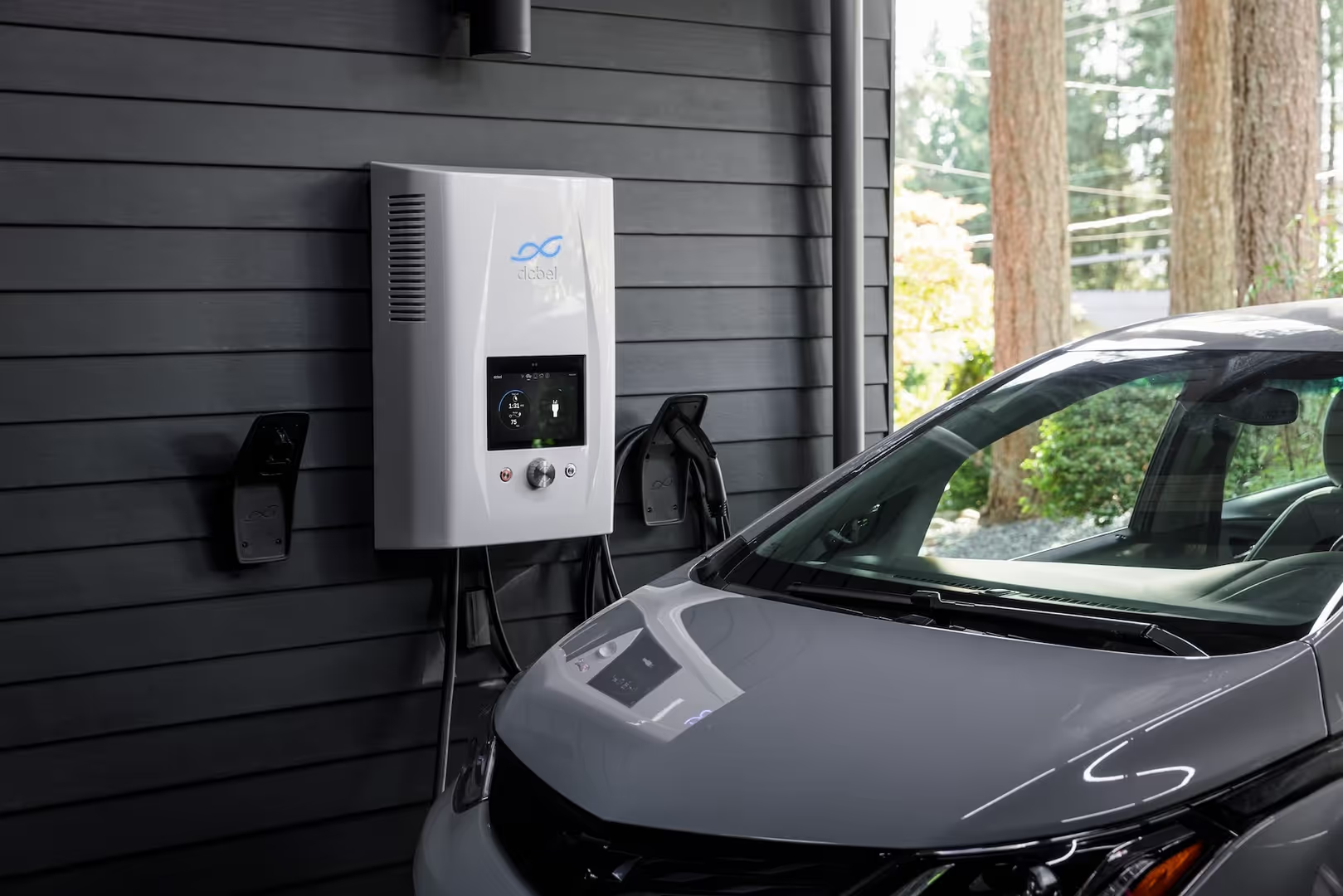
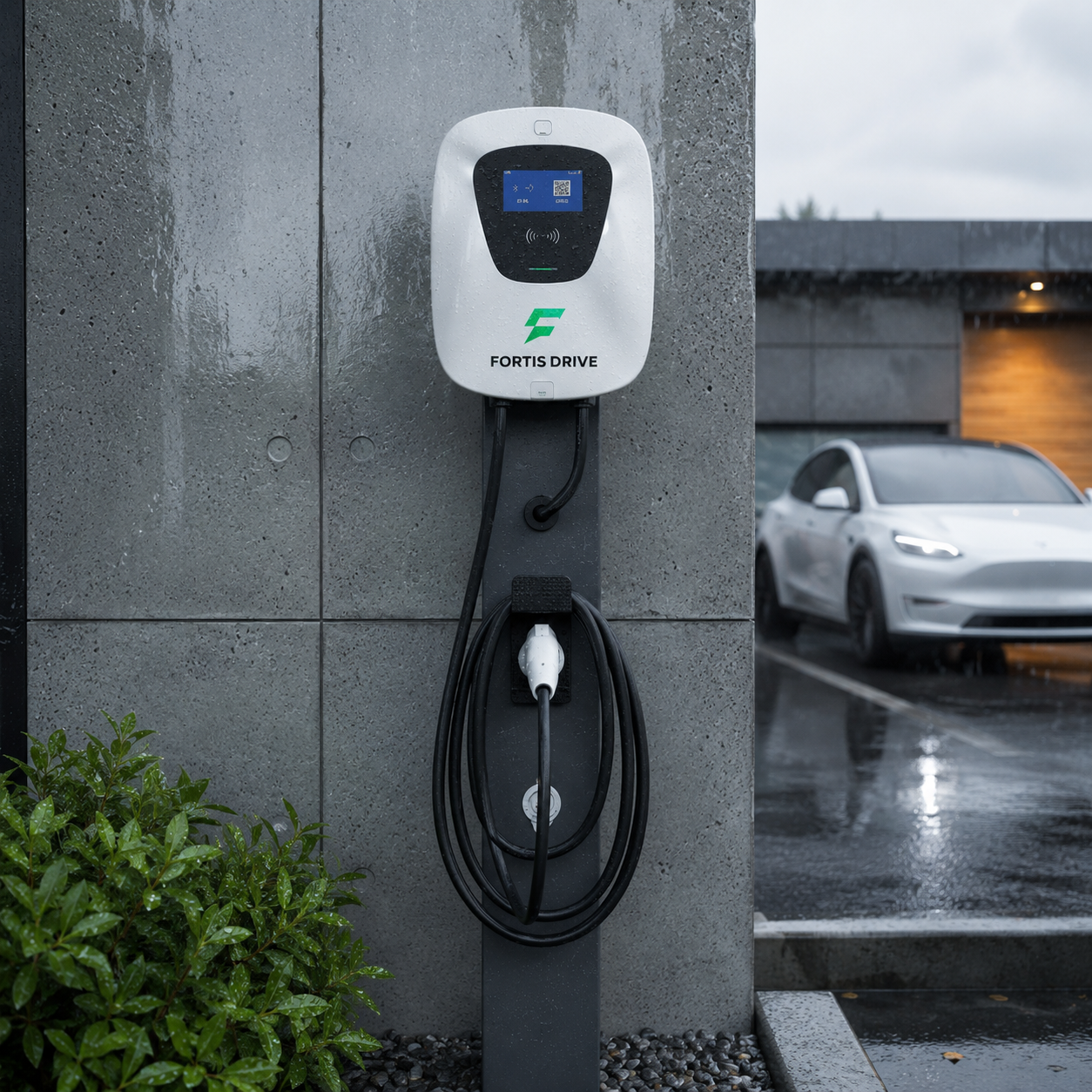
EV Charger mounted on a wall

Frequently Asked Questions

Find practical answers about selecting, configuring, and manufacturing Fortis Core DC EV chargers.

What businesses is the Fortis Core DC EV charger designed for?

Fortis Core is designed for CPO networks, fleets, fuel retailers, service stations, parking operators, dealerships, distributors and other commercial charging programs. Its 60, 80, 120 and 160 kW options let buyers align the charger with site capacity, expected demand, vehicle dwell time and project economics.

Which Fortis Core power level should I choose?

The right level depends on available electrical capacity, target vehicles, average dwell time, daily charging demand, number of outputs and future expansion plans. A site with longer parking periods may not need the same output as a route-intensive fleet or short-stop charging location. Fortis Drive uses those inputs to review the requested 60, 80, 120 or 160 kW configuration before quotation.

Can Fortis Core charge two vehicles at the same time?

Fortis Core can be configured with one or two charging outputs. The presence of two physical outputs does not by itself confirm simultaneous charging or full rated power at each output. Output behavior and power allocation must be stated in the approved technical specification for the selected configuration.

Which connectors and user-access options are available?

The charger can be configured with CCS1, CCS2 or CHAdeMO connectors. Optional RFID and app-based identification can be reviewed for user access. Connector mix, authentication flow, backend relationship and destination-market requirements should be finalized during engineering review.

Does Fortis Core support charger-management software?

The listed backend protocol is OCPP 1.6J, an open protocol used for communication between charging stations and charging-station management systems. Compatibility with a particular backend depends on the software implementation, selected functions and integration testing. Fortis Drive can document the required backend and test scope in the project brief.

Can Fortis Core be customized or private-labelled?

Yes. Fortis Drive can review OEM/ODM requirements for rated power, output arrangement, connector configuration, access method, cabinet finish, branding, cable length, labels, interface details, manuals, packaging and selected technical specifications. Approval depends on feasibility, quantity, tooling, testing and compliance considerations.

Partnership Success Stories

Trusted by EV Charging Businesses Worldwide

Fortis Drive turned our technical requirements into a clear manufacturing plan. The team asked the right questions early, kept every specification visible and developed a charger configuration that aligned with our market.

Profile Image
Michael Torres
Fleet Procurement Manager

We needed more than a standard charging unit. Fortis Drive worked through the connector options, branding, documentation and packaging with us, then carried the approved specification into production with impressive attention to detail.

Profile Image
Sarah Chen
EV Charging Solutions Director

Communication stayed practical from the initial configuration review through production and shipment. We always knew what required approval, what stage the order had reached and which documents would accompany the chargers.

Profile Image
Daniel Weber
Commercial Infrastructure Manager

Ready to Buy DC EV Chargers?

Receive a Quality Quote within 24 Hours.
Upload Your Specification for Custom Requirements