





Fortis Nexus Split DC EV Charger

Engineered for Enhanced Efficiency & Style
EV Spare Wheel Image 1
EV Spare Wheel Image 2
EV Spare Wheel Image 3
EV Spare Wheel Image 4
Expanded gallery image

Fortis Nexus

One Power Unit, Up to Eight Charging Terminals

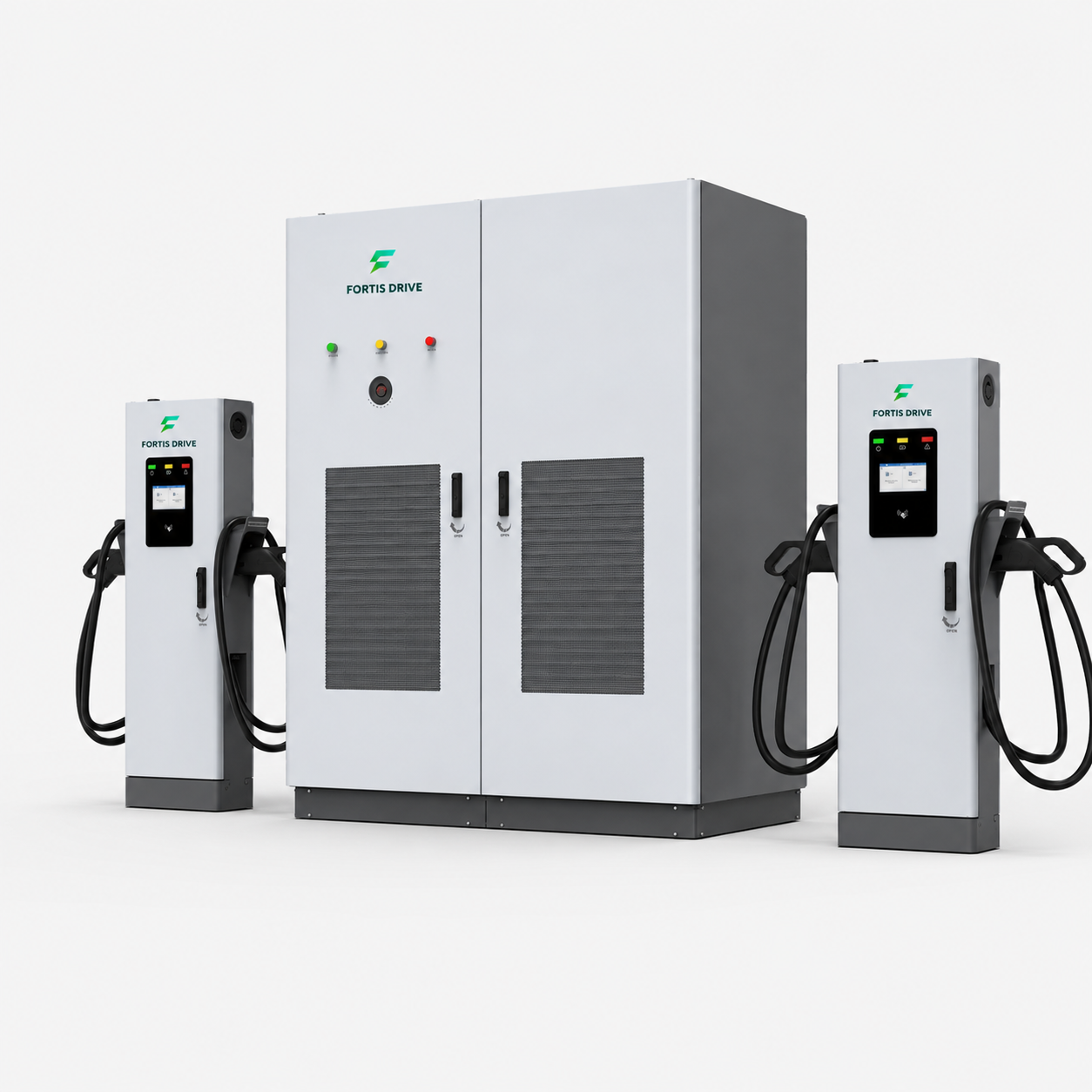
The Fortis Nexus split DC EV charger separates a centralized 360 or 480 kW power cabinet from charging terminals positioned around the site. This split architecture supports up to eight terminals, giving CPOs, fleets, fuel retailers and other charging businesses more flexibility when planning multi-vehicle locations.

  • Centralized Power Options: 360 or 480 kW
  • Charging Terminals: Up to eight
  • Connector Options: CCS1 or CCS2
  • Output-Voltage Range: 150 to 1000 V DC

Certification and Compliance Support

Fortis Drive helps buyers identify the testing, documentation and certification requirements relevant to the
selected configuration and destination country.

Built for Commercial EV Charging Programs

Fortis Nexus is manufactured for businesses that need a compact commercial split DC EV charger with a clear technical specification, controlled production and support for repeat orders.

Space Saving Design

Compact construction that fits neatly into limited EV trunk space.

Centralized Power Cabinet

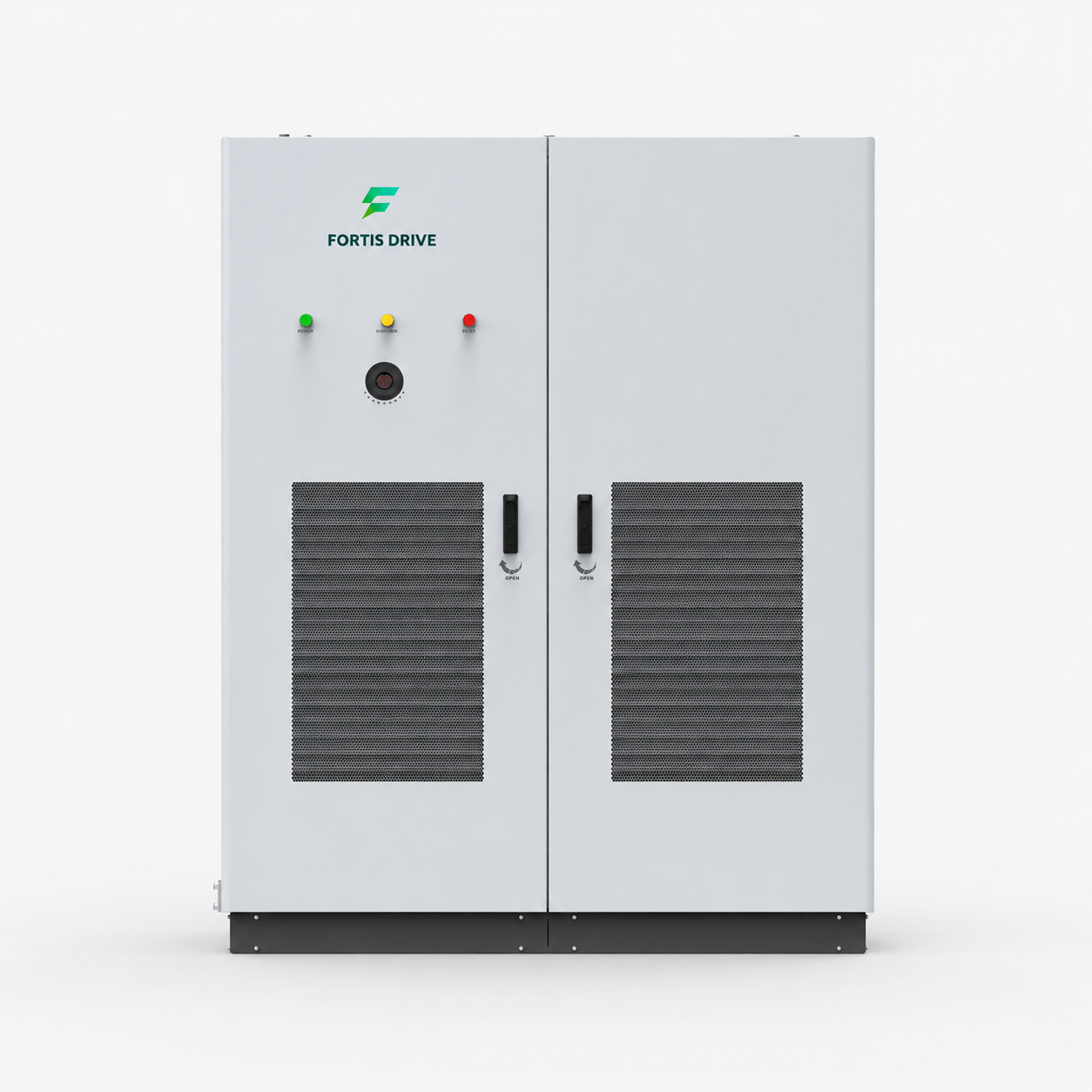
One primary cabinet houses the central power system for the connected charging terminals. This separates core power equipment from the individual vehicle interfaces and keeps the complete installation organized around one approved architecture.

Flexible Terminal Placement

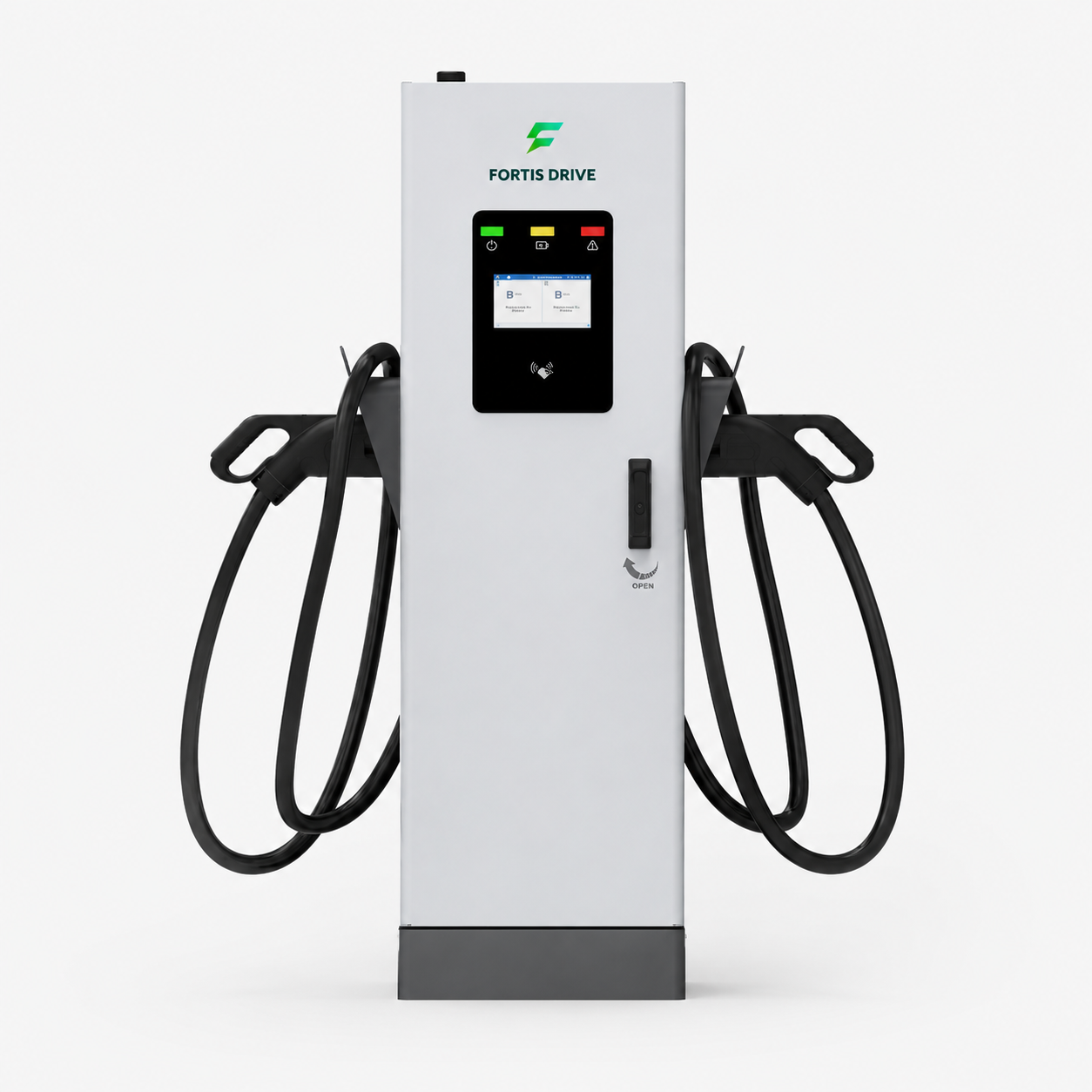
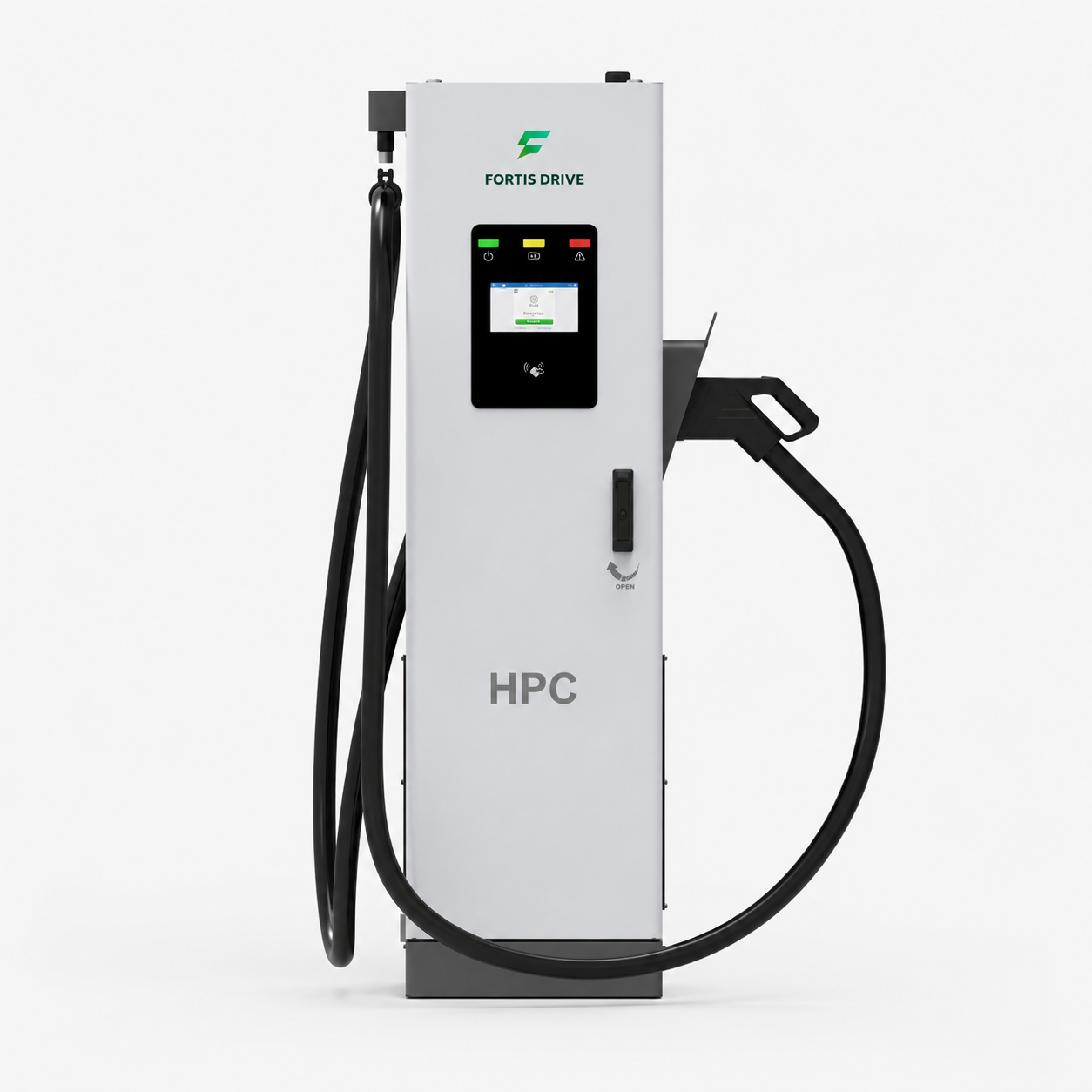
Separate terminals can be positioned around the site to suit parking geometry, traffic flow and vehicle access. Final distances, cable routing, civil works and electrical installation must be reviewed by qualified project professionals.

Vehicle Specific Fitament

Engineered around the dimensions and compatibility requirements of selected EV models.

Support Upto 8 Charging Terminals

Fortis Nexus supports up to eight charging terminals within the selected system configuration. Terminal quantity, concurrent charging and available power per session must be defined in the approved technical specification.

Technical Specifications

ProductFD3302E
Power Supply360kW | 480kW
ConnectorCCS1 | CCS2
Mounting8 (max)
ApplicationFree standing
LCD Display7'' color touch screen
IP, IK LevelIP54, IK10
Backend ProtocolOCPP 1.6J
CommunicationEthernet (4G optional)
Current250A (500A optional)
Voltage150V DC -1000V DC
Cable5m (customizable)

Custom Specifications Available

Each custom EV charger can be configured with private-label branding, enclosure finishes, connector options, cable requirements, interface details, labels, manuals and packaging. All changes are reviewed for technical feasibility, testing and destination-market requirements.

Split DC EV Charger Development and Manufacturing Process

A six-stage process keeps the approved configuration visible from the initial electrical brief through manufacturing, inspection, packaging and export.

Step 1
Step 2
Step 3
Step 4
Step 5
Step 6
Step 1

Requirements and Site-Electrical Brief

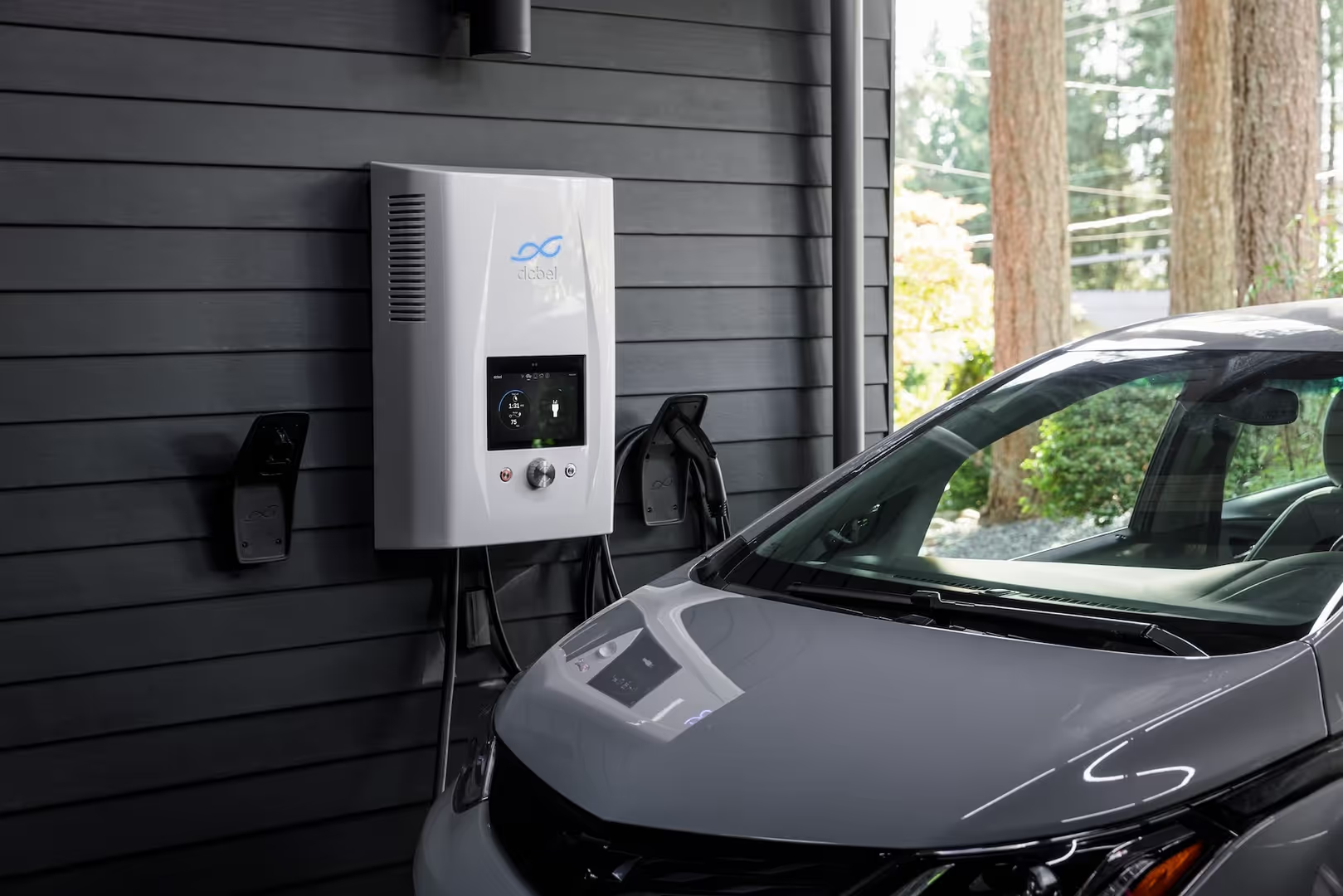
Fortis Drive translates the buyer’s commercial and technical inputs into a defined charger requirement. The review covers destination country, intended application, available electrical supply, target vehicles, connector standard, mounting location, connectivity, branding, quantity and documentation.
  • Market and use-case review
  • Electrical input mapping
  • Connector and vehicle requirements
  • Documentation planning
Detailed requirements analysis and power specification
Step 2

Engineering and Configuration Review

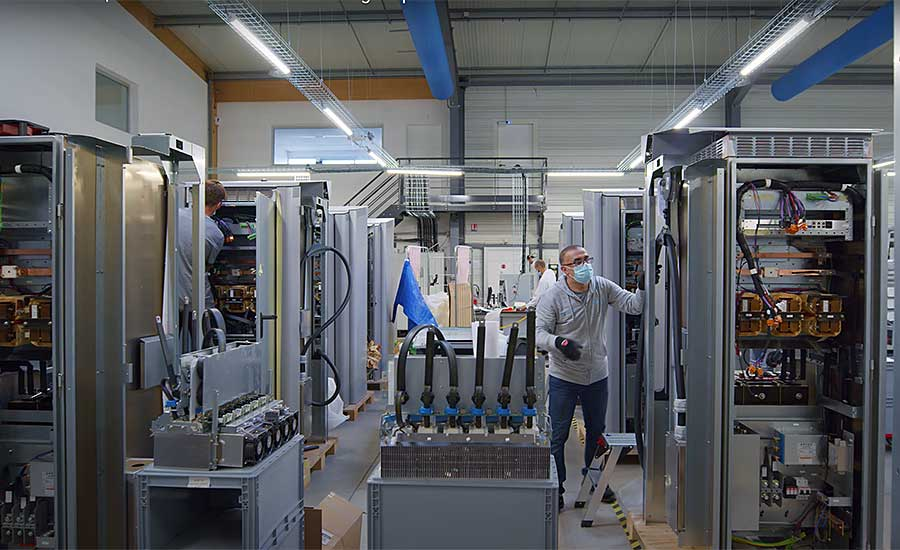
Our manufacturing and engineering teams assess the requested configuration before a sample is prepared. Components, enclosure layout, communications, cable format, customization scope and any tooling implications are reviewed against the approved brief.
  • Engineering-feasibility review
  • Component and enclosure review
  • Communication configuration
  • Tooling assessment
Elite manufacturing for DC EV chargers
Step 3

Sample Development and Validation

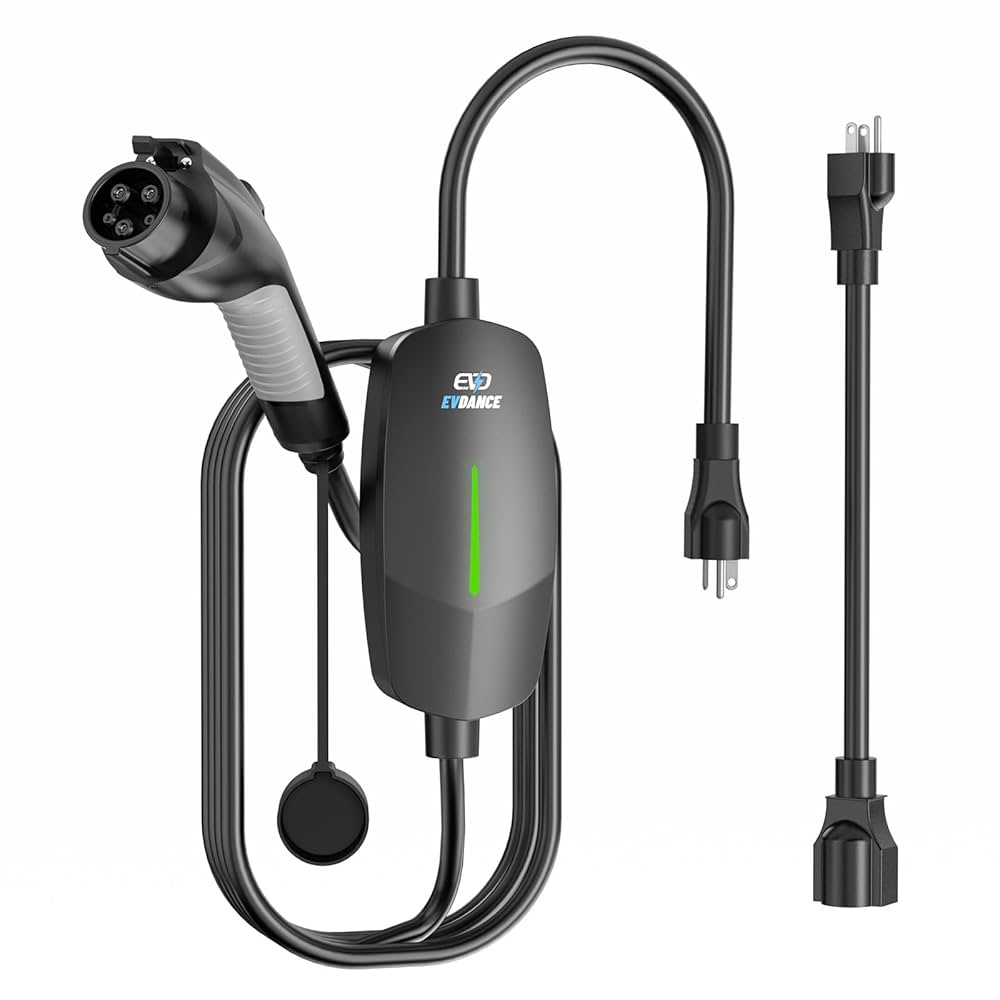
Where required, Fortis Drive manufactures a sample or pre-production unit for review. Validation can cover physical configuration, electrical functions, connector communication, touchscreen operation, networking, labeling, enclosure details and packaging, according to the agreed project scope.
  • Sample preparation
  • Functional test coordination
  • Specification verification
  • Buyer approval
Prototype development and high-power testing
Step 4

Production Planning

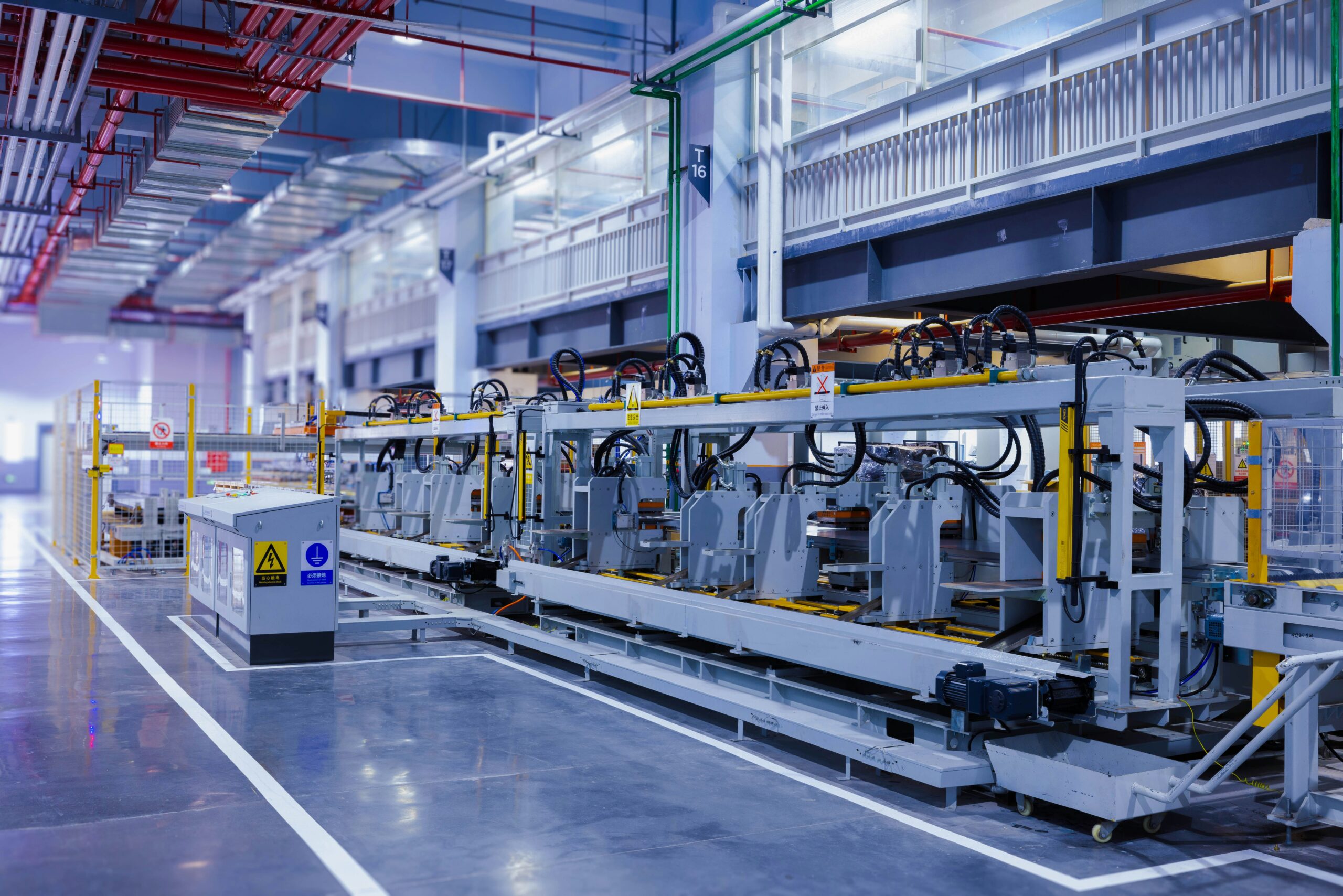
After sample approval, the bill of materials, manufacturing documents, inspection criteria, assembly plan and production schedule are finalized. The approved sample becomes the reference point for the commercial order.
  • Approved-sample control
  • Production documentation
  • Material planning
  • Assembly scheduling
Manufacturing excellence and production management
Step 5

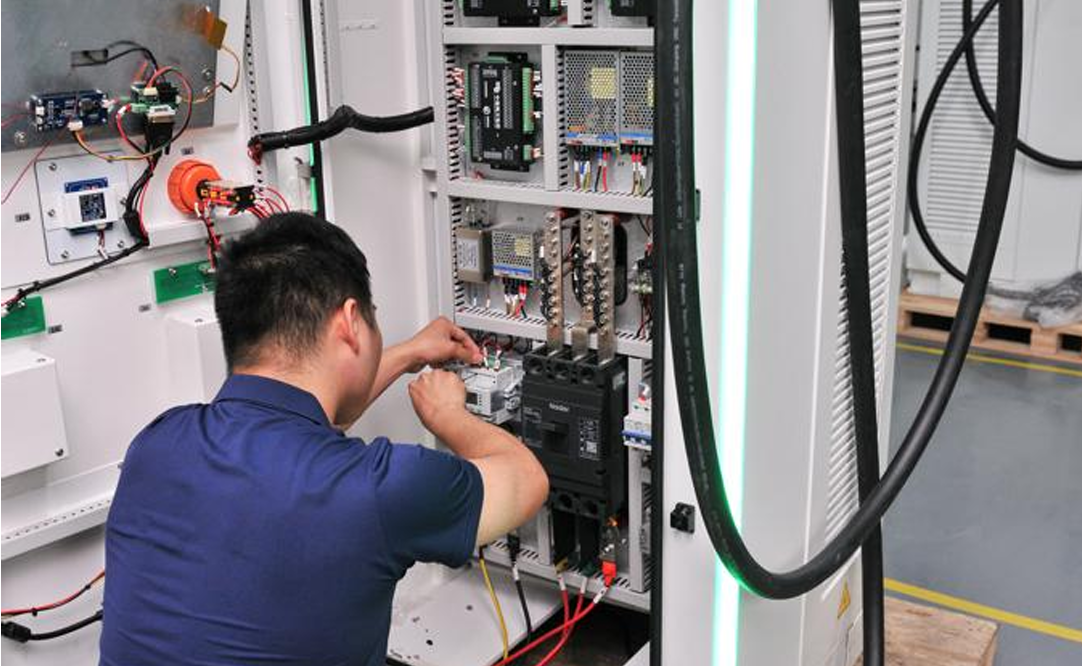
Manufacturing and Quality Control

Fortis Drive manufactures the order against the approved specification and inspection plan. Checks may cover incoming components, electrical assembly, charging functions, communications, touchscreen response, enclosure finish, labels, cable assembly and pre-shipment condition.
  • Incoming-component checks
  • In-process inspection
  • Functional and communication tests
  • Pre-shipment inspection
Quality assurance and testing for DC chargers
Step 6

Packaging and Export

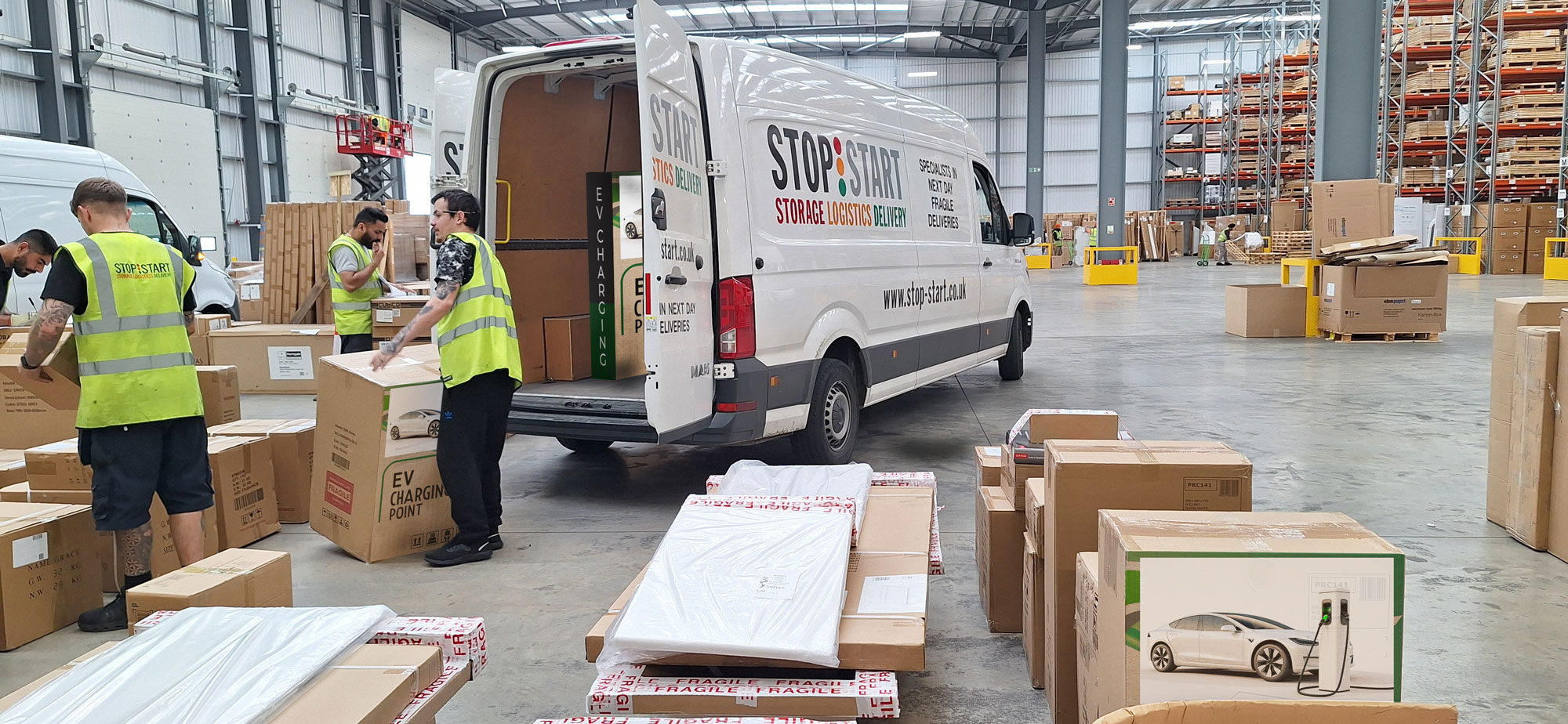
Completed chargers are packed to the approved specification for international transport. Fortis Drive coordinates protective packaging, product and carton labels, order consolidation, export documentation and freight planning for the destination.
  • Protective packaging
  • Product and carton labeling
  • Export-document support
  • Freight coordination
Global logistics and secure delivery of charging stations

Why Choose Fortis Nexus for Split DC EV Chargers?

As a China-based split DC fast charger manufacturer, Fortis Drive connects engineering decisions, component integration, assembly, quality control, packaging and export within one manufacturing program.

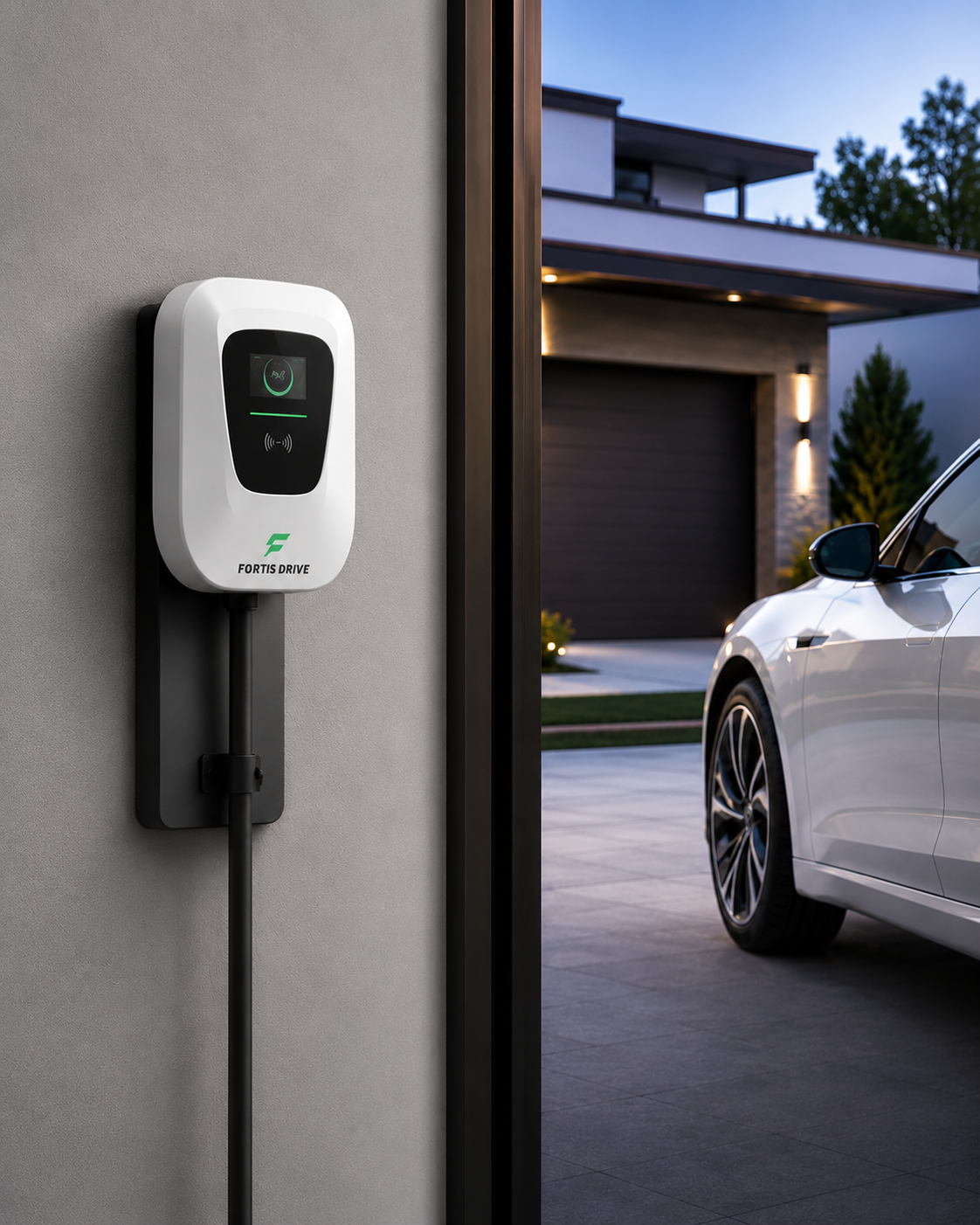
EV Charger mounted on a wall

Frequently Asked Questions

Find practical answers about selecting, configuring, and manufacturing Fortis Nexus DC EV chargers.

What is a split DC EV charging system?

A split system separates the centralized power cabinet from the charging terminals used by drivers. One power cabinet can support multiple terminals positioned around the site, while the approved control architecture determines how available power is allocated between active charging sessions.

What power options are available for Fortis Nexus?

Fortis Nexus is available with a centralized system rating of 360 or 480 kW. The right option depends on available electrical capacity, target vehicles, expected daily demand, number of terminals, charging concurrency and the required session profile.

How many vehicles can Fortis Nexus charge simultaneously?

The system supports up to eight charging terminals and is designed for simultaneous multi-terminal charging. The actual number of concurrent sessions and the power available to each vehicle depend on the approved system configuration, allocation logic and operating conditions.

Does every terminal receive 360 or 480 kW?

No. The stated rating applies to the centralized charging system, not automatically to every connected terminal. Available power is distributed according to the final architecture, active sessions, configured limits and each vehicle's DC charging capability.

Which connectors and communication options are available?

Fortis Nexus can be configured with CCS1 or CCS2 connectors. The listed communications are Ethernet with optional 4G, while OCPP 1.6J is the listed backend protocol. Connector selection, network configuration and backend compatibility should be finalized during engineering review.

Can Fortis Nexus be installed outdoors?

The listed enclosure and impact ratings are IP54 and IK10. Final suitability depends on the approved cabinet and terminal configuration, physical location, weather exposure, drainage, protective equipment and compliance with local installation requirements.

Can the cabinet and charging terminals be customized?

Yes. Fortis Drive can review OEM/ODM requirements for power rating, number of terminals, connector standard, output-current option, power-allocation behavior, cabinet and terminal finishes, branding, cable length, labels, interface details, manuals and packaging. Approval depends on feasibility, quantity, tooling, testing and compliance considerations.

Partnership Success Stories

Trusted by EV Charging Businesses Worldwide

Fortis Drive turned our technical requirements into a clear manufacturing plan. The team asked the right questions early, kept every specification visible and developed a charger configuration that aligned with our market.

Profile Image
Michael Torres
Fleet Procurement Manager

We needed more than a standard charging unit. Fortis Drive worked through the connector options, branding, documentation and packaging with us, then carried the approved specification into production with impressive attention to detail.

Profile Image
Sarah Chen
EV Charging Solutions Director

Communication stayed practical from the initial configuration review through production and shipment. We always knew what required approval, what stage the order had reached and which documents would accompany the chargers.

Profile Image
Daniel Weber
Commercial Infrastructure Manager

Ready to Buy Split DC EV Chargers?

Receive a Quality Quote within 24 Hours.
Upload Your Specification for Custom Requirements